
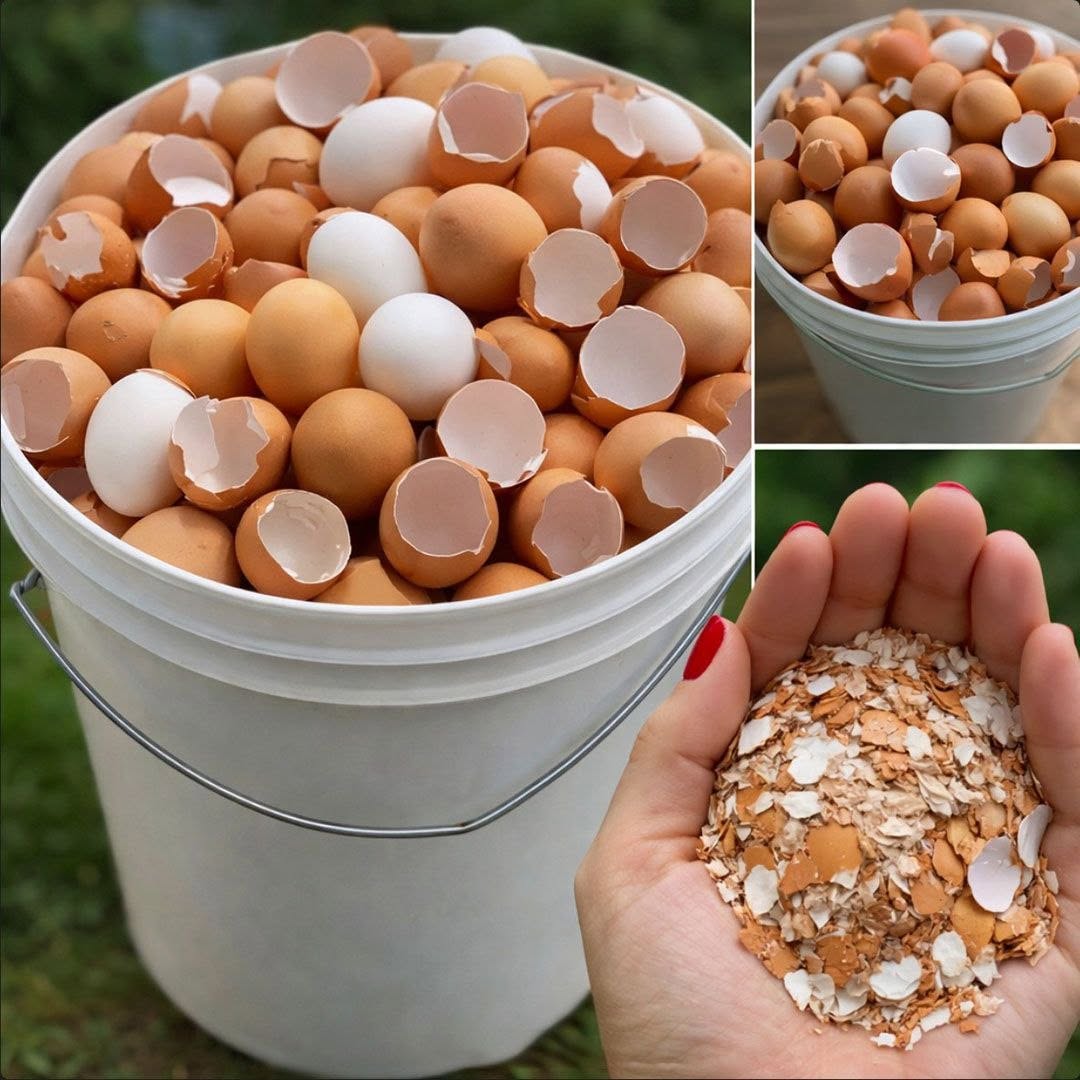
Most people crack an egg, use what’s inside, and immediately toss the shell into the trash. But those fragile shells still have plenty of value.
Made primarily of calcium carbonate, eggshells can be repurposed in a variety of practical ways around the home and garden. While they’re not a miracle solution for every problem, they can help reduce waste and serve several useful purposes when prepared properly.
Before using eggshells, rinse them thoroughly to remove any remaining egg white, then allow them to dry completely. Some people also bake the shells at a low temperature for a few minutes to ensure they’re clean and easy to crush.
Here are some of the best ways to give eggshells a second life.
1. Enrich Your Compost
Eggshells are an excellent addition to a compost pile.
As they gradually break down, they contribute calcium and other trace minerals that become part of the finished compost. Crushing them into small pieces helps them decompose more quickly.
Although eggshells decompose slowly, they are a valuable long-term addition to healthy compost.
2. Add Calcium to Garden Soil
Plants require calcium for healthy growth, especially vegetables such as tomatoes, peppers, and squash.
Mix finely crushed eggshells into the soil before planting to increase its calcium content over time.
Keep in mind that eggshells break down gradually, so they are not a quick fix for calcium deficiencies.
3. Start Seedlings Naturally
Half eggshells can serve as biodegradable seed-starting containers.
Simply:
- Fill each shell with seed-starting mix.
- Plant one or two seeds.
- Water gently.
- Once seedlings are ready, lightly crush the shell and plant the entire thing in the garden.
The shell eventually decomposes in the soil.
4. Help Deter Some Garden Pests
Some gardeners scatter crushed eggshells around plants in hopes of discouraging soft-bodied pests like slugs and snails.
While scientific evidence for this method is mixed, many gardeners continue to use it as part of an integrated pest-management approach because it’s inexpensive and environmentally friendly.
5. Feed Backyard Birds
Birds, especially laying hens and wild birds during nesting season, benefit from calcium.
After thoroughly cleaning and baking eggshells, crush them into very small pieces and place them in a bird feeder or mix them with bird feed.
This provides an additional source of calcium.
6. Create Homemade Plant Fertilizer
Some gardeners soak crushed eggshells in water for several days before using the water on plants.
Although only a small amount of calcium dissolves into the water, many people enjoy using this simple homemade gardening practice as part of their regular plant care routine.
7. Make Natural Art and Crafts
Eggshells are surprisingly versatile for creative projects.
You can use them to create:
- Decorative mosaics
- Greeting cards
- Picture frames
- Holiday ornaments
- Children’s craft projects
Once painted, the shells become colorful and textured design elements.
8. Clean Narrow Containers
Crushed eggshells combined with warm water and a small amount of dish soap create a mildly abrasive cleaner.
Swirl the mixture inside bottles, jars, or vases to help loosen residue that is difficult to reach with a sponge.
Rinse thoroughly afterward.
9. Reduce Household Waste
Finding new uses for eggshells is one simple way to reduce kitchen waste.
Instead of sending them to the landfill, reusing them helps support a more sustainable lifestyle and encourages creative recycling at home.
Small changes like this can make a difference over time.
10. Use as a Decorative Garden Mulch
Crushed white or brown eggshells can add texture to flower beds and potted plants.
Although primarily decorative, they may also help slow moisture evaporation slightly while gradually breaking down into the soil.
Are Eggshells Safe to Eat?
Some people grind eggshells into a fine powder to use as a calcium supplement.
However, this should be approached with caution.
If eggshells are not thoroughly cleaned and sterilized, they may carry bacteria such as Salmonella. In addition, calcium supplements may not be appropriate for everyone, particularly people with kidney disease or certain medical conditions.
Anyone considering consuming eggshell powder should discuss it with a healthcare professional first.
How to Prepare Eggshells Safely
Before reusing eggshells:
- Rinse away any remaining egg residue.
- Remove the inner membrane if desired.
- Bake at approximately 200°F (95°C) for about 10–15 minutes to help dry and sanitize them.
- Crush or grind according to your intended use.
- Store in a clean, dry container.
Proper preparation helps prevent odors and reduces the risk of bacterial contamination.
Final Thoughts
Eggshells may seem like kitchen waste, but they have many practical uses beyond the breakfast table. Whether you add them to compost, use them in the garden, start seedlings, create crafts, or recycle them into useful household projects, they offer an easy way to reduce waste and make the most of a common kitchen by-product.
Instead of throwing them away, consider giving your next batch of eggshells a second life—you may be surprised at how useful they can be.
