
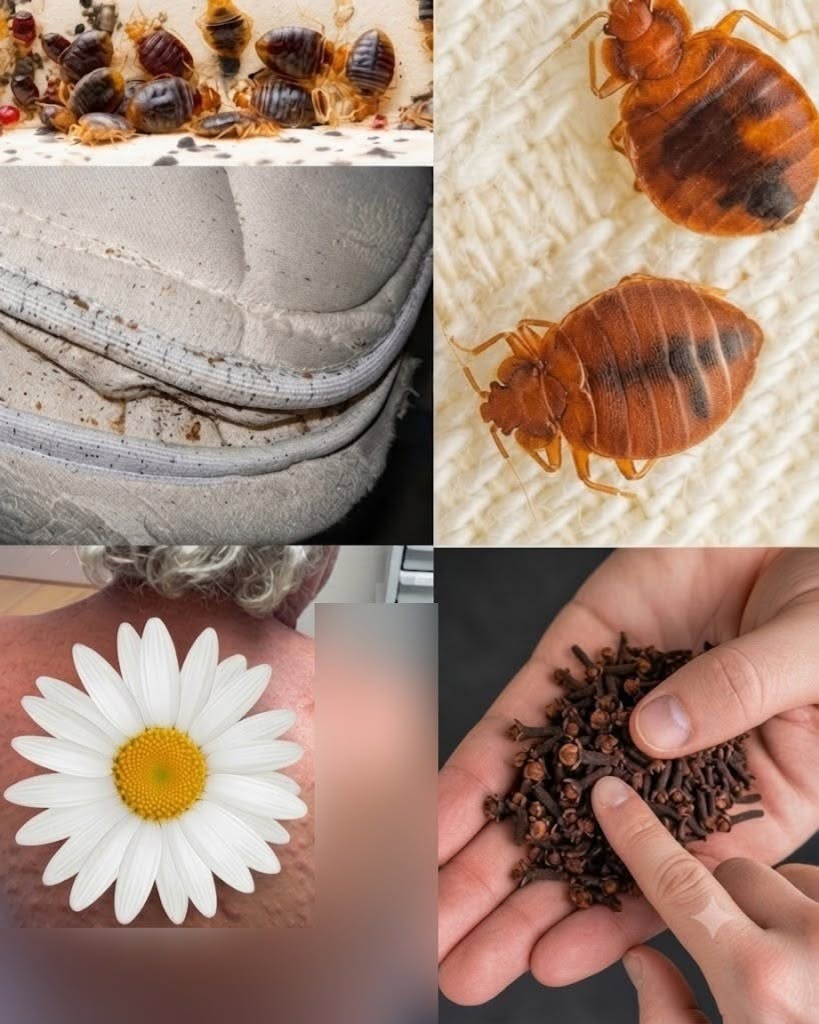
Few household pests cause as much stress as bed bugs. Although they don’t typically spread disease, these tiny insects can cause itchy bites, sleepless nights, and significant frustration once they’ve established themselves in a home.
The good news is that bed bug infestations can be controlled with the right approach. Early detection, thorough cleaning, and targeted treatment are the keys to getting rid of them.
Here’s everything you need to know about identifying bed bugs, eliminating them safely, and preventing them from returning.
What Are Bed Bugs?
Bed bugs are small, reddish-brown insects that feed on the blood of humans and other warm-blooded animals.
Adult bed bugs are:
- About the size of an apple seed (4–7 mm long)
- Flat and oval before feeding
- More swollen and darker after a blood meal
- Wingless
- Excellent at hiding in tiny cracks and crevices
Because they are nocturnal, many people don’t realize they have an infestation until bites or other signs appear.
Where Do Bed Bugs Hide?
Despite their name, bed bugs don’t live only in beds.
Common hiding places include:
- Mattress seams
- Box springs
- Bed frames
- Headboards
- Nightstands
- Upholstered furniture
- Curtains
- Baseboards
- Electrical outlets
- Luggage
- Clothing
- Cracks in walls and furniture
During the day, they remain hidden and emerge at night to feed.
Signs You May Have Bed Bugs
One of the first clues is waking up with itchy bites.
Other signs include:
- Small red bite marks, often in clusters or lines
- Tiny dark or black spots (bed bug droppings)
- Pale yellow shed skins
- Small white eggs
- Rust-colored stains on sheets
- Live insects hiding in mattress seams or furniture
Finding several of these signs together increases the likelihood of an infestation.
What Do Bed Bug Bites Look Like?
Bed bug bites vary from person to person.
They commonly appear as:
- Small red bumps
- Itchy welts
- Clusters or zigzag patterns
- Bites on exposed skin such as the arms, neck, shoulders, or legs
Some people develop noticeable reactions, while others show little or no visible symptoms.
Because many insect bites look similar, bites alone cannot confirm the presence of bed bugs.
How Do Bed Bugs Get Into Homes?
Bed bugs don’t appear because a home is dirty.
They often enter by hitchhiking on:
- Luggage after travel
- Used furniture
- Mattresses
- Clothing
- Backpacks
- Boxes
- Visitors’ belongings
Even clean, well-maintained homes can experience infestations.
Step 1: Confirm the Infestation
Before beginning treatment, carefully inspect:
- Mattress seams
- Bed frames
- Furniture joints
- Behind pictures
- Around baseboards
- Under cushions
Using a flashlight and a magnifying glass can make spotting bed bugs easier.
Step 2: Wash and Heat-Dry Fabrics
Heat is one of the most effective ways to kill bed bugs.
Wash:
- Bedding
- Blankets
- Pillowcases
- Curtains
- Clothing
Use the hottest water that is safe for the fabric, then dry items on high heat for at least 30 minutes if the care label allows.
High temperatures can kill bed bugs and their eggs.
Step 3: Vacuum Thoroughly
Vacuum carefully around:
- Mattresses
- Carpets
- Furniture
- Baseboards
- Bed frames
- Cracks and corners
After vacuuming:
- Seal the vacuum bag or contents in a plastic bag.
- Dispose of it outside immediately.
Repeat frequently during treatment.
Step 4: Reduce Clutter
Bed bugs love hiding places.
Reducing clutter makes inspections easier and removes places where they can hide.
Organize:
- Closets
- Under-bed storage
- Boxes
- Piles of clothing
The fewer hiding spots available, the more effective treatment becomes.
Step 5: Consider Mattress Encasements
Special bed bug-proof mattress and box spring encasements can:
- Trap any bugs already inside.
- Prevent new bugs from entering.
- Make inspections much easier.
These covers should remain sealed for many months to ensure trapped bugs die.
Step 6: Use Approved Treatments Carefully
Various products are available for bed bug control.
Always:
- Follow label directions carefully.
- Avoid mixing different insecticides.
- Keep products away from children and pets.
- Never use products not intended for indoor pest control.
Improper pesticide use can be ineffective or even hazardous.
When to Call a Professional
Professional pest control may be the best option if:
- The infestation is widespread.
- Bed bugs continue returning.
- Multiple rooms are affected.
- DIY efforts have failed.
Professionals have access to specialized equipment and treatments, including heat treatments that can eliminate bed bugs throughout an entire room.
How to Prevent Bed Bugs
Prevention is easier than treatment.
When traveling:
- Inspect hotel mattresses and headboards.
- Keep luggage off beds and floors.
- Check luggage before bringing it indoors.
- Wash travel clothes promptly after returning home.
When buying second-hand furniture:
- Inspect carefully before bringing it inside.
- Avoid discarded mattresses left on sidewalks.
- Clean and inspect used furniture thoroughly.
Common Myths About Bed Bugs
Myth: Only dirty homes get bed bugs.
False. Bed bugs can infest any home, regardless of cleanliness.
Myth: Bed bugs can fly.
False. They cannot fly or jump. They crawl.
Myth: You’ll always feel them biting.
False. Their bites are usually painless because they inject substances that reduce sensation while feeding.
Myth: Throwing away your mattress solves the problem.
Not necessarily. Bed bugs often hide throughout the room, not just inside the mattress.
