
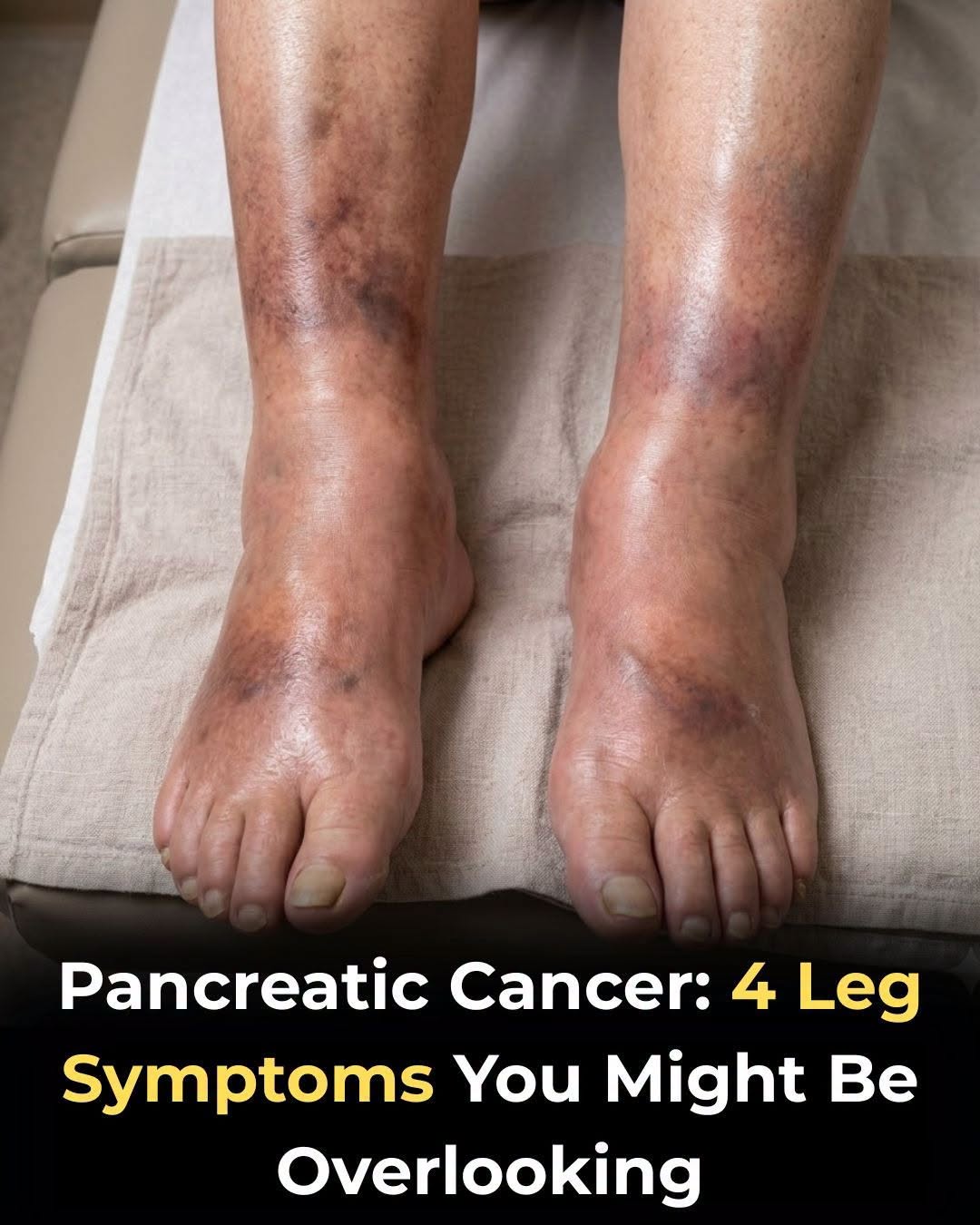
Our legs do much more than help us walk, run, and stay active—they can also provide valuable clues about our overall health. While occasional aches or fatigue are often harmless, persistent or unusual symptoms may sometimes signal an underlying condition that deserves attention.
Learning to recognize these signs can help you seek medical advice early when necessary and maintain better overall health.
Why Leg Health Matters
Your legs contain muscles, bones, joints, nerves, blood vessels, and connective tissues that work together every day. Because so many body systems are involved, changes in your legs may reflect issues affecting circulation, nerves, joints, or general health.
Most leg discomfort is temporary and related to overuse or minor strain, but some symptoms should never be ignored.
Persistent Leg Pain
Pain that lasts for several days or keeps returning without a clear reason may indicate:
- Muscle or tendon injuries
- Arthritis
- Nerve irritation
- Circulatory problems
- Stress fractures
If the pain is severe, worsening, or limits your ability to walk, it’s important to consult a healthcare professional.
Swelling That Doesn’t Go Away
Mild swelling after standing or traveling is common.
However, persistent swelling in one or both legs may be linked to:
- Poor circulation
- Heart disease
- Kidney problems
- Liver disease
- Problems with the lymphatic system
- Certain medications
Sudden swelling in one leg—especially when accompanied by pain, redness, or warmth—requires immediate medical evaluation because it could indicate a blood clot.
Leg Cramps
Occasional cramps usually aren’t serious.
They may occur because of:
- Dehydration
- Muscle fatigue
- Electrolyte imbalances
- Prolonged exercise
Frequent or severe cramps that continue despite proper hydration should be discussed with your doctor.
Changes in Skin Color
The skin on your legs can reveal important information.
Watch for:
- Pale skin
- Bluish discoloration
- Persistent redness
- Dark brown patches
- Shiny, tight skin
These changes may suggest circulation problems or chronic venous disease and should be evaluated if they persist.
Numbness or Tingling
A “pins and needles” sensation after sitting awkwardly is usually harmless.
However, ongoing numbness or tingling may be associated with:
- Nerve compression
- Diabetes
- Vitamin deficiencies
- Peripheral neuropathy
- Spine-related conditions
Persistent symptoms warrant medical assessment.
Slow-Healing Wounds
Small cuts and scrapes normally heal within a few weeks.
If wounds on your legs or feet heal very slowly, it may indicate:
- Diabetes
- Poor blood circulation
- Infection
- Vascular disease
Prompt treatment can help prevent complications.
Visible Varicose Veins
Enlarged, twisted veins are common, especially with age.
While many are harmless, some people experience:
- Aching
- Heaviness
- Swelling
- Itching
- Cramping
Lifestyle changes, compression stockings, or medical treatments may help if symptoms become bothersome.
Weakness in the Legs
Difficulty climbing stairs, standing up, or walking long distances may result from:
- Muscle weakness
- Joint problems
- Neurological conditions
- Lack of physical activity
Gradual weakness should not be ignored, particularly if it interferes with daily life.
Cold Feet and Legs
Frequently cold legs or feet may simply be caused by cool temperatures.
However, persistent coldness—especially when accompanied by pain or color changes—may indicate reduced blood flow or circulation problems.
Healthy Habits for Strong Legs
You can support leg health by:
- Walking regularly
- Staying physically active
- Stretching daily
- Drinking enough water
- Maintaining a healthy weight
- Avoiding smoking
- Wearing supportive footwear
- Taking breaks from prolonged sitting
These habits help support circulation, muscle strength, and joint function.
When to Seek Immediate Medical Care
Seek urgent medical attention if you experience:
- Sudden swelling in one leg
- Severe unexplained pain
- Difficulty walking after an injury
- A leg that becomes pale, blue, or cold
- Chest pain or shortness of breath along with leg swelling
These symptoms may indicate a serious medical emergency.
Final Thoughts
Your legs can provide important clues about your overall health. While many symptoms such as occasional soreness or fatigue are harmless, persistent pain, swelling, numbness, skin changes, or slow-healing wounds should not be ignored. Paying attention to these silent signals and seeking medical advice when needed can help detect potential health problems early and keep you active for years to come. Remember, healthy lifestyle habits and regular medical checkups remain the best foundation for long-term leg health.
