
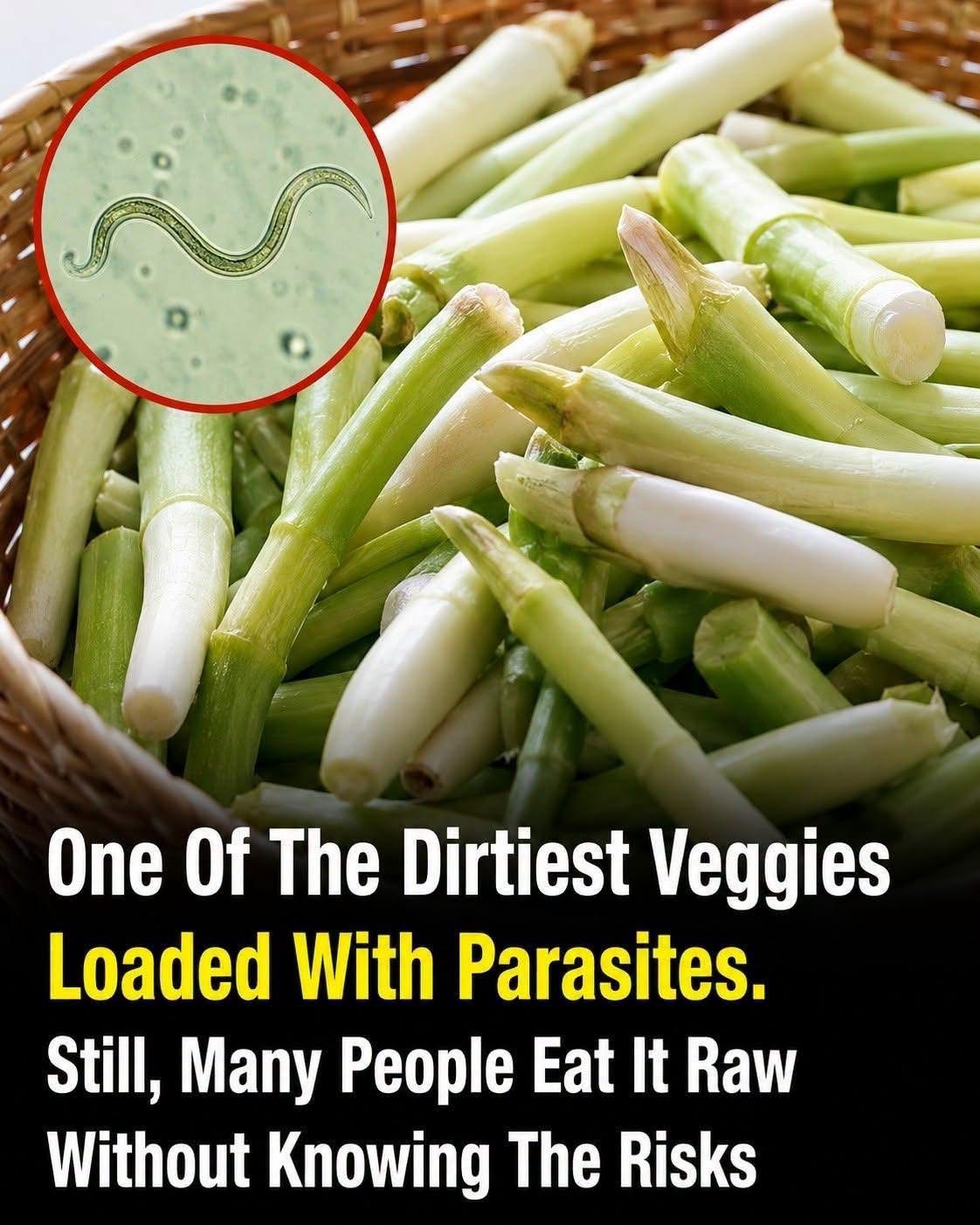
Green onions (also called scallions or spring onions) are one of the most common raw garnishes in home cooking — sprinkled over tacos, stirred into salads, or piled onto a bowl of noodles for that fresh, peppery crunch. But this everyday ingredient has a surprising track record: it’s been linked to more foodborne illness outbreaks than most people realize.
Here’s what actually makes green onions riskier than other produce, and the simple steps that make them safe to enjoy raw.
Why Green Onions Are More Vulnerable Than Other Vegetables
They Grow Close to the Soil
Unlike produce that grows on vines or trees, scallions grow at ground level, in direct contact with soil and irrigation water. If that water or soil is contaminated with animal waste or runoff, bacteria can transfer directly onto the parts of the plant people eat.
Their Layered, Tubular Structure Traps Contaminants
The hollow, overlapping structure of a green onion stalk makes it easy for dirt, grit, and microorganisms to get lodged between the layers — places a quick rinse under the tap often doesn’t reach.
They’re Almost Always Eaten Raw
Because scallions are rarely cooked before serving, any bacteria present on the surface has nothing standing between it and the person eating it. Cooking is one of the most reliable ways to kill foodborne pathogens, and raw preparation removes that safety step entirely.
