
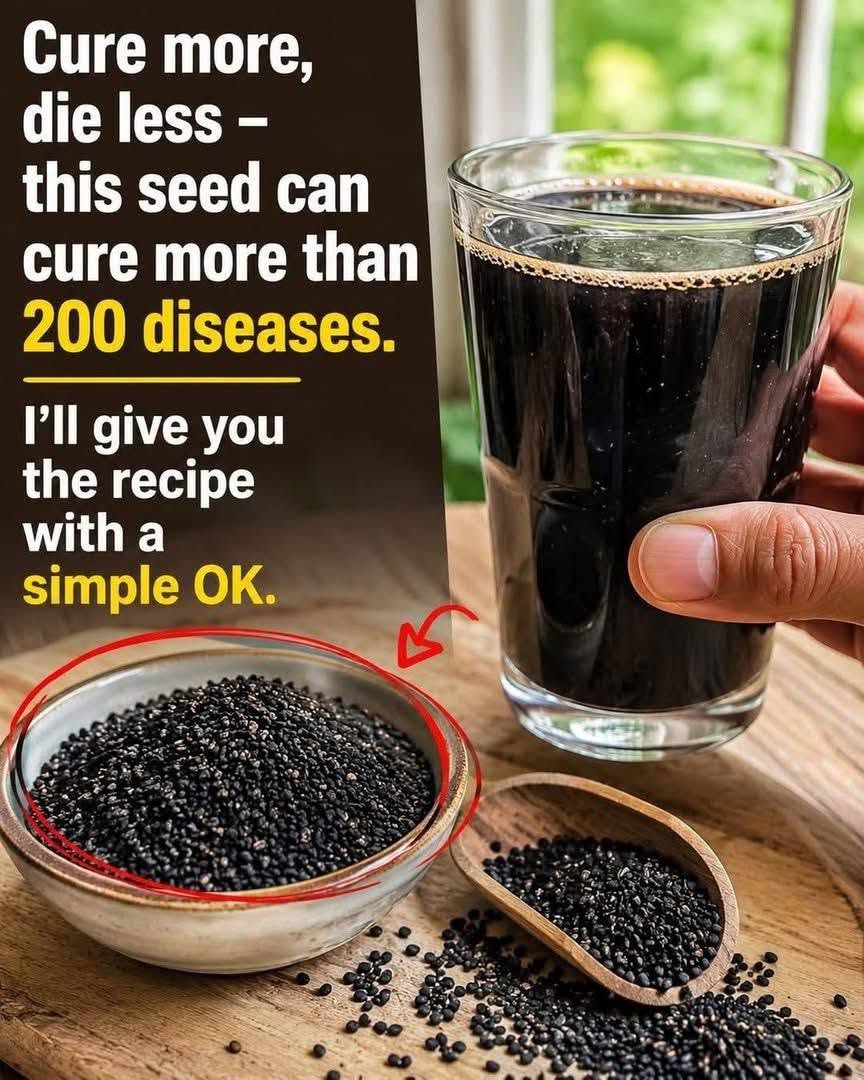
For centuries, black seeds (Nigella sativa)—often called black cumin, kalonji, or black caraway—have been treasured in traditional wellness practices throughout the Middle East, North Africa, and Asia. Tiny yet packed with nutrients and plant compounds, these seeds continue to attract scientific interest for their potential role in supporting overall health.
Despite viral social media claims suggesting black seeds can “cure more than 200 diseases,” modern science paints a more balanced picture. While research shows they may offer several health benefits, they are not a cure-all and should never replace professional medical treatment.
Let’s explore what black seeds really offer, what research says, and an easy way to enjoy them as part of a healthy lifestyle.
What Are Black Seeds?
Black seeds come from the flowering plant Nigella sativa, which belongs to the buttercup family. They have been used for both culinary and medicinal purposes for thousands of years.
Their flavor is slightly bitter with hints of oregano, black pepper, and onion, making them a popular ingredient in breads, curries, pickles, and spice blends.
Nutritional Value
Although tiny, black seeds contain a variety of beneficial nutrients, including:
- Healthy unsaturated fats
- Dietary fiber
- Protein
- Iron
- Calcium
- Zinc
- Potassium
- Magnesium
- Antioxidant plant compounds
One of their most studied natural compounds is thymoquinone, which possesses antioxidant and anti-inflammatory properties.
