
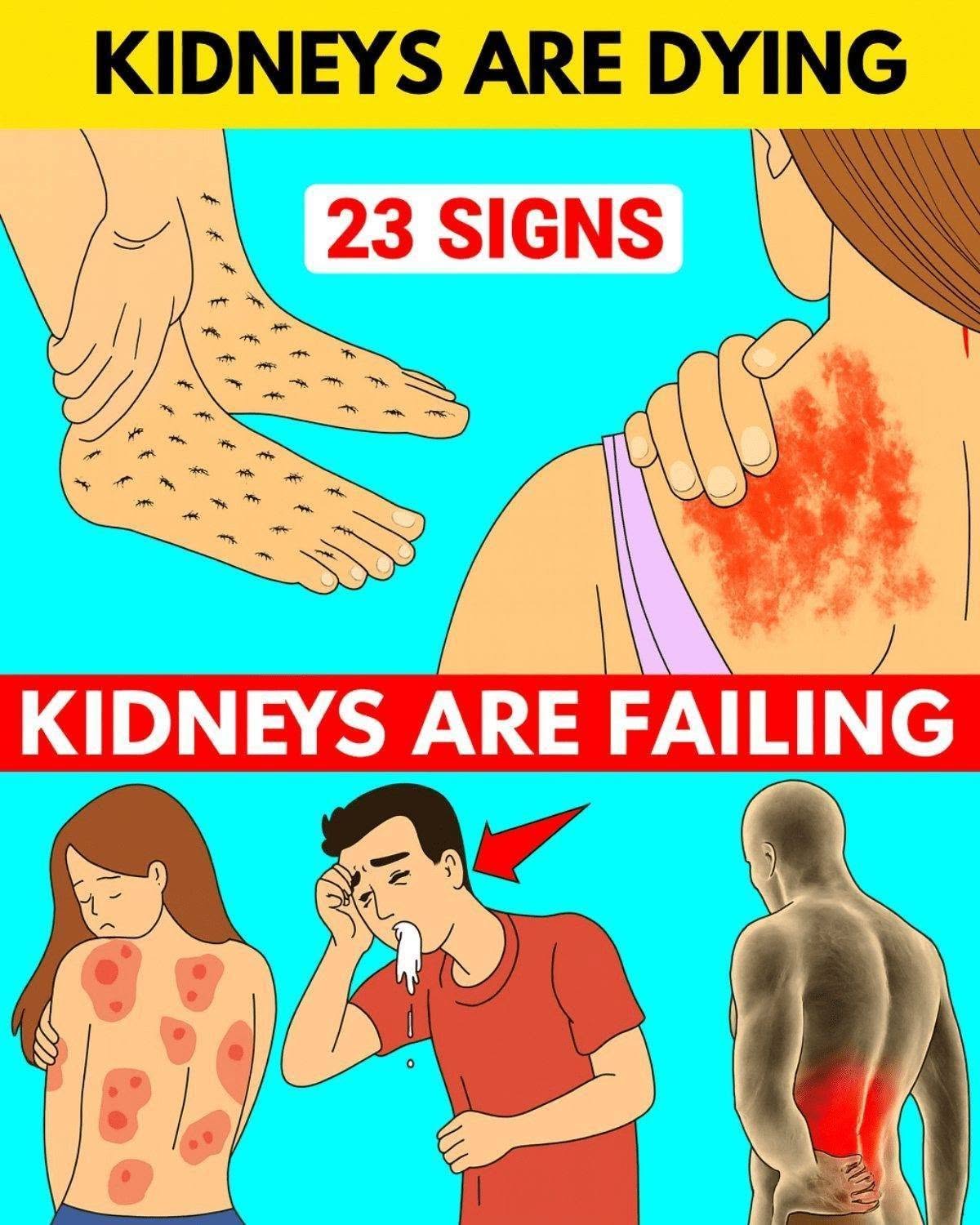
16. Dry Skin
Poor kidney function may affect your body’s ability to balance minerals and fluids, contributing to dry, flaky skin.
17. Frequent Urinary Tract Infections
Repeated urinary tract infections can sometimes increase the risk of kidney infections if left untreated.
18. Blood in the Urine
Visible blood or urine with a pink, red, or cola color should always be evaluated immediately.
Possible causes include:
- Kidney stones
- Kidney infections
- Urinary tract disorders
- Kidney disease
19. Foamy Urine
Persistent foam in the toilet may indicate excess protein in the urine (proteinuria), which can be an early sign of kidney damage.
20. Difficulty Controlling Blood Sugar
Diabetes is one of the leading causes of chronic kidney disease.
If blood sugar becomes increasingly difficult to manage, kidney function should be evaluated.
21. Persistent Swelling of the Hands
Fluid retention isn’t limited to the legs.
Swollen fingers or tight-fitting rings may also occur.
22. Unexplained Weight Loss
Loss of appetite combined with nausea may lead to unintended weight loss in people with advanced kidney disease.
23. General Feeling of Being Unwell
Many people simply report feeling “off.”
Low energy, poor appetite, weakness, and reduced exercise tolerance can develop gradually over time.
Who Is Most at Risk?
Your risk of kidney disease increases if you have:
- Diabetes
- High blood pressure
- Heart disease
- Obesity
- A family history of kidney disease
- A history of kidney stones
- Smoking habits
- Age over 60
How to Help Protect Your Kidneys
Simple habits can make a significant difference:
- Drink enough water throughout the day.
- Keep blood pressure under control.
- Manage blood sugar if you have diabetes.
- Eat a balanced diet rich in fruits and vegetables.
- Limit excessive salt intake.
- Exercise regularly.
- Avoid smoking.
- Maintain a healthy body weight.
- Use pain medications only as directed.
- Schedule routine medical checkups if you’re at higher risk.
When Should You See a Doctor?
Seek medical evaluation if you notice:
- Blood in your urine
- Persistent swelling
- Severe fatigue
- Ongoing nausea
- Significant changes in urination
- High blood pressure that is difficult to control
- Persistent back pain near the kidneys
Simple blood and urine tests can often detect kidney problems before symptoms become severe.
Final Thoughts
Kidney disease often develops quietly, making early recognition especially important. While many of these symptoms can have causes unrelated to the kidneys, persistent or unexplained changes should never be ignored.
Regular checkups, healthy lifestyle habits, and prompt medical evaluation of concerning symptoms can help detect kidney problems early—when treatment is often most effective.
Medical Disclaimer: This article is for educational purposes only and is not a substitute for professional medical advice, diagnosis, or treatment. If you experience persistent symptoms or believe you may have kidney disease, consult a qualified healthcare provider for appropriate evaluation.
