
Don’t Be Fooled by Supermarkets: What You Should Know Before Buying Meat
Buying meat at the supermarket may seem straightforward, but not all products are the same. Packaging, labels, and marketing claims can sometimes make it difficult to judge the true quality of the meat you’re purchasing. Understanding what to look for can help you make more informed choices.
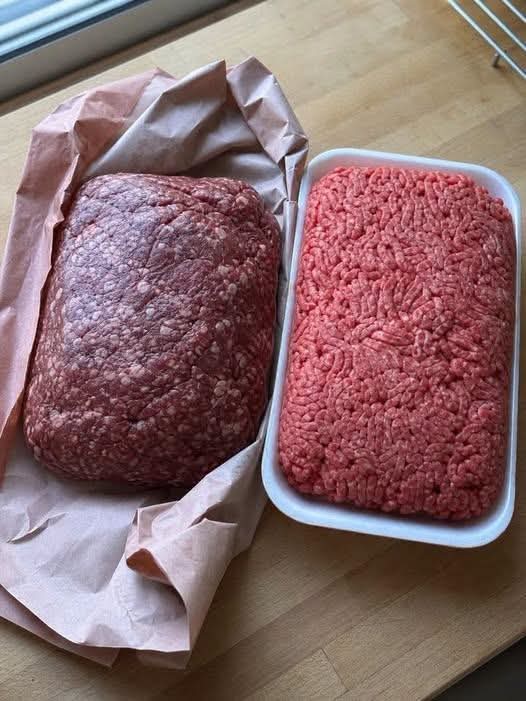
One common misconception is that the brightest red meat is always the freshest. In reality, the color of meat can vary depending on the type of packaging and exposure to oxygen. Some packaging methods are designed to keep meat looking bright red even after several days, so color alone is not a reliable indicator of freshness.
It’s also important to read the label carefully. Check the packaging date, use-by date, country of origin, and storage instructions. Some products may be labeled as “seasoned,” “marinated,” or “enhanced,” meaning they contain added water, salt, or flavoring ingredients.
When shopping, look for meat with a fresh smell, firm texture, and packaging that is tightly sealed with no tears, excessive liquid, or swelling. If the package appears damaged or has an unpleasant odor, it’s best to choose another product.
Proper food safety is just as important after purchase. Refrigerate or freeze meat promptly, keep it separate from ready-to-eat foods to avoid cross-contamination, and cook it to the recommended internal temperature for safety.
Claims that supermarkets are secretly selling unsafe or unusual types of meat are often exaggerated or misleading. In most countries, meat sold through licensed retailers must comply with food safety regulations and inspections. However, consumers should still pay attention to labels, expiration dates, and proper handling practices.
Being an informed shopper is the best way to ensure you’re buying high-quality meat and keeping your family safe. A few extra moments spent reading the label and inspecting the package can make a significant difference.
