
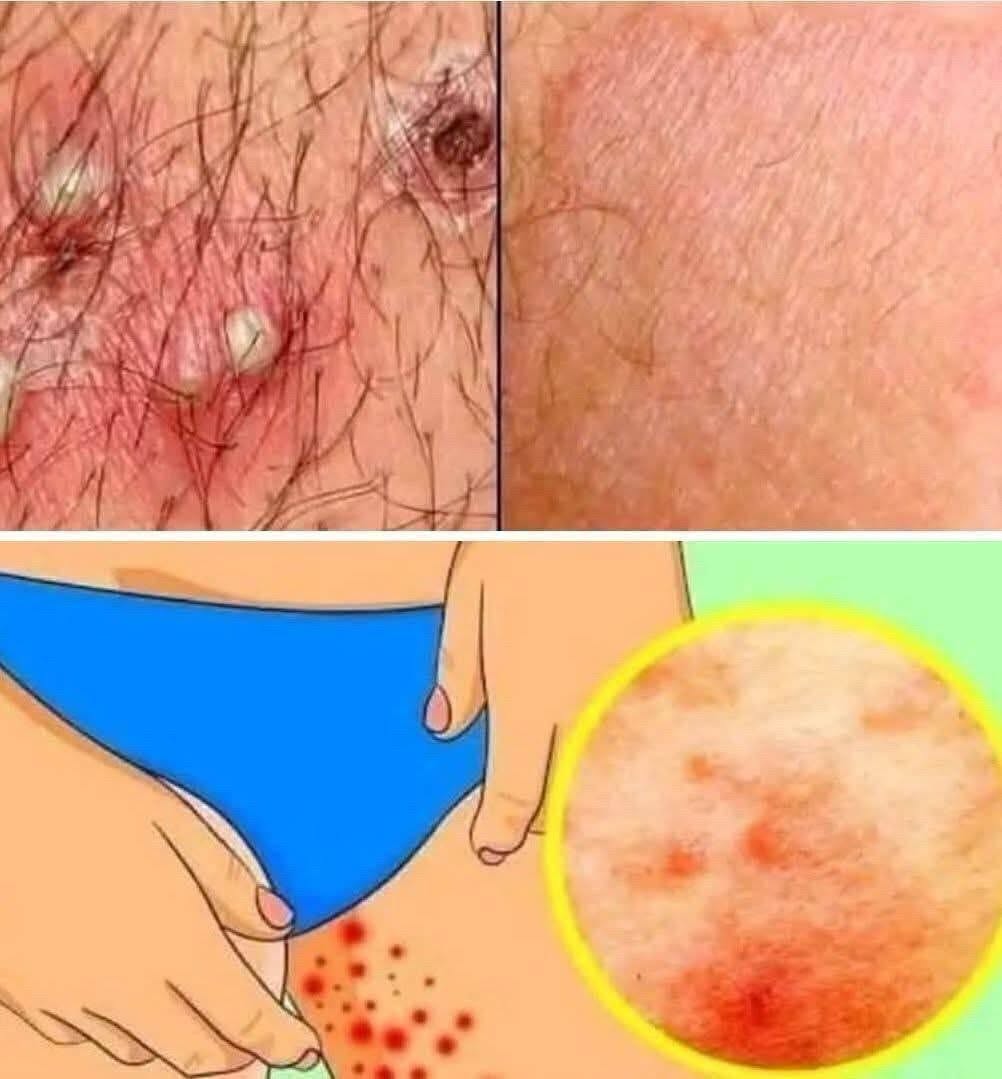
Ingrown hairs are a common skin problem that occurs when a hair curls back or grows sideways into the skin instead of emerging normally. Although they’re usually harmless, they can be uncomfortable and sometimes become inflamed or infected if left untreated.
Knowing how to recognize an ingrown hair can help you treat it properly and prevent future occurrences.
Common Signs of an Ingrown Hair
You may have an ingrown hair if you notice:
- A small, raised bump on the skin
- Redness around the area
- Tenderness or mild pain
- Itching or irritation
- A visible hair trapped beneath the skin
- A bump filled with clear fluid or pus if it becomes infected
Ingrown hairs most often appear in areas that are frequently shaved or waxed, such as the face, neck, underarms, legs, and bikini area.
What Causes Ingrown Hairs?
Several factors can increase the risk, including:
- Shaving too closely
- Waxing or plucking hair
- Naturally curly or coarse hair
- Dead skin cells blocking the hair follicle
- Tight clothing that creates friction
The hair becomes trapped beneath the surface instead of growing outward.
How to Treat an Ingrown Hair
Most ingrown hairs improve on their own. You can help the healing process by:
- Applying a warm compress to soften the skin.
- Gently exfoliating the area to remove dead skin cells.
- Avoiding shaving until the area heals.
- Keeping the skin clean to reduce the risk of infection.
- Resisting the urge to squeeze or pick at the bump.
If the area becomes increasingly painful or shows signs of infection, seek medical advice.
How to Prevent Ingrown Hairs
To reduce the chances of developing ingrown hairs:
- Shave in the direction of hair growth.
- Use a sharp, clean razor.
- Avoid stretching the skin while shaving.
- Exfoliate regularly.
- Moisturize the skin after shaving.
- Consider alternative hair-removal methods if ingrown hairs are frequent.
These simple habits can significantly lower your risk.
When to See a Healthcare Professional
Consult a healthcare provider if:
- The bump becomes very painful.
- Redness and swelling continue to worsen.
- Pus continues to drain.
- You frequently develop ingrown hairs.
- The area doesn’t improve after several days of home care.
A healthcare professional can recommend appropriate treatment if an infection develops.
Final Thoughts
Ingrown hairs are common and usually resolve without serious complications. Recognizing the signs early, caring for the affected area gently, and adopting good shaving habits can help prevent discomfort and reduce the likelihood of future ingrown hairs. If symptoms become severe or persistent, medical evaluation is the safest course of action.
