
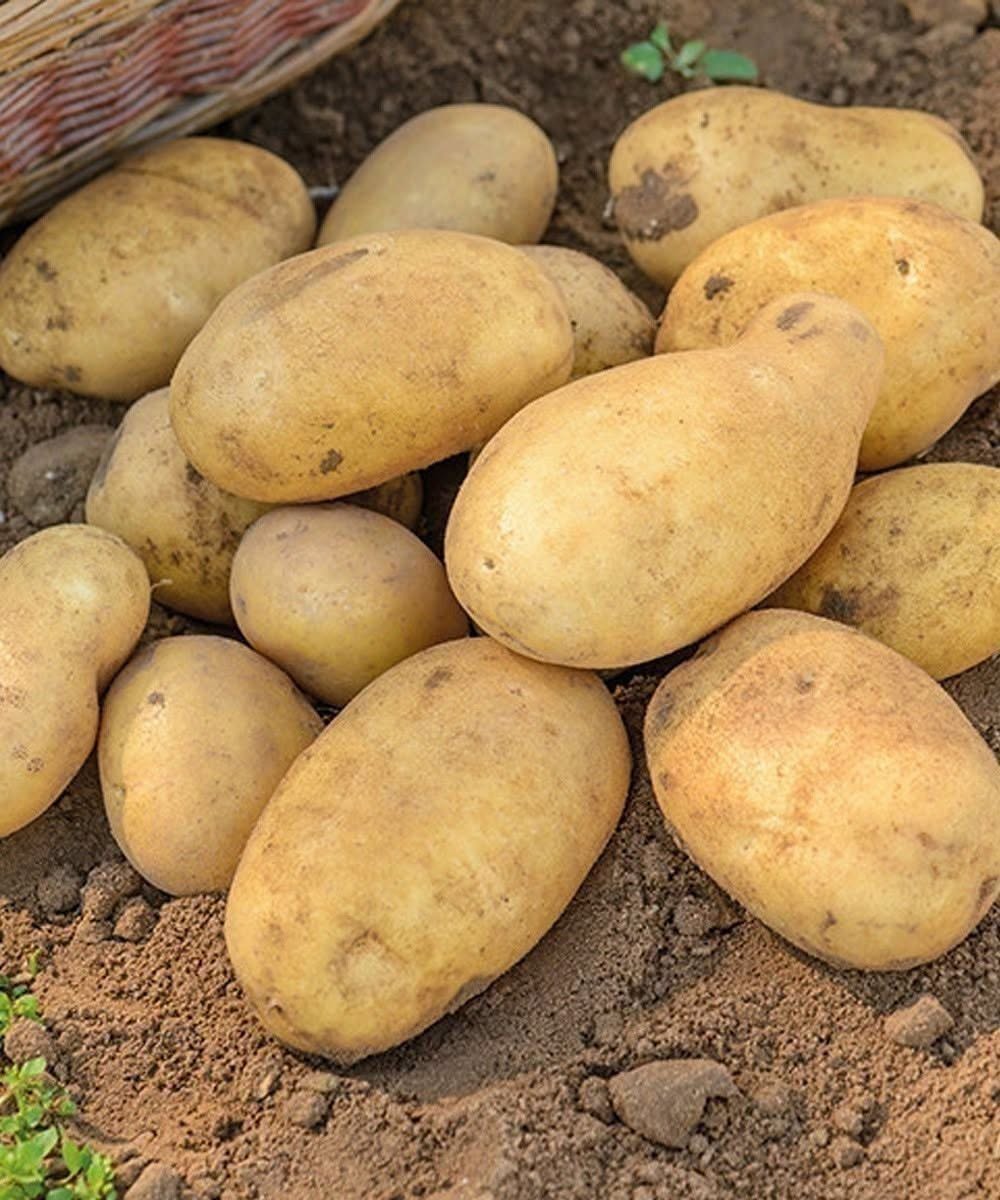
Potatoes have long been a staple food in many cultures around the world. They’re affordable, versatile, and packed with nutrients, yet they’ve also gained an unfair reputation as an unhealthy food—especially among people trying to lose weight.
So, are potatoes good for you?
The answer depends largely on how they’re prepared. Plain potatoes can be a nutritious addition to a balanced diet, while heavily processed or deep-fried versions are a different story.
Here’s what health experts say about eating potatoes regularly.
Potatoes Are Rich in Important Nutrients
Despite their reputation, potatoes provide several essential vitamins and minerals.
A medium baked potato with the skin contains:
- Vitamin C
- Vitamin B6
- Potassium
- Magnesium
- Iron (small amounts)
- Fiber (especially in the skin)
- Complex carbohydrates for energy
Because they naturally contain no cholesterol and very little fat, potatoes can fit into many healthy eating patterns.
1. Excellent Source of Potassium
Potatoes are one of the richest natural sources of potassium.
Potassium helps:
- Maintain healthy blood pressure
- Support muscle function
- Regulate nerve signals
- Balance fluids in the body
Many adults don’t consume enough potassium, making potassium-rich foods valuable additions to the diet.
2. A Good Source of Energy
Potatoes are rich in complex carbohydrates, which provide the body’s preferred source of energy.
Unlike foods high in added sugars, complex carbohydrates digest more gradually, helping fuel:
- Daily activities
- Exercise
- Brain function
Athletes often include potatoes in meals because they provide sustained energy and help replenish glycogen stores after physical activity.
3. Fiber Supports Digestive Health
Leaving the skin on your potato increases its fiber content.
Fiber helps:
- Promote regular bowel movements
- Feed beneficial gut bacteria
- Increase feelings of fullness
- Support healthy digestion
For maximum nutritional value, wash potatoes well and cook them with the skin whenever possible.
4. Rich in Antioxidants
Potatoes contain naturally occurring antioxidants, including:
- Flavonoids
- Carotenoids
- Phenolic compounds
These plant compounds help protect cells from oxidative stress and contribute to overall health.
Colorful varieties such as purple and red potatoes often contain even higher levels of antioxidants.
5. May Help You Feel Full Longer
Potatoes are considered one of the most filling foods.
Their combination of water, fiber, and complex carbohydrates may help reduce hunger between meals.
Feeling satisfied after eating can make it easier to avoid unnecessary snacking.
Does Eating Potatoes Raise Blood Sugar?
Potatoes do contain carbohydrates, which naturally increase blood sugar after meals.
However, several factors influence this response, including:
- Portion size
- Cooking method
- Whether the potato is eaten with protein, healthy fats, or vegetables
- The variety of potato
People with diabetes do not necessarily need to avoid potatoes completely, but they should monitor portions and follow guidance from their healthcare provider or registered dietitian.
Healthy Ways to Prepare Potatoes
Preparation makes a significant difference.
Healthier options include:
- Baking
- Boiling
- Steaming
- Roasting with a small amount of olive oil
- Air frying with minimal oil
Less healthy preparations often involve:
- Deep frying
- Large amounts of butter
- Heavy cream sauces
- Excess cheese
- High-sodium toppings
These additions—not the potato itself—are often responsible for extra calories, saturated fat, and sodium.
What About French Fries?
French fries and potato chips are very different from plain potatoes.
Because they’re typically fried and heavily salted, they tend to contain:
- More calories
- More unhealthy fats
- Higher sodium levels
Frequent consumption of these foods has been associated with poorer overall diet quality.
Resistant Starch: A Hidden Benefit
Interestingly, when cooked potatoes are cooled before eating, part of their starch changes into resistant starch.
Resistant starch acts similarly to dietary fiber and may:
- Support beneficial gut bacteria
- Improve digestive health
- Increase fullness
- Reduce the blood sugar response after meals
This is one reason potato salad made with minimal dressing or chilled roasted potatoes can be part of a balanced diet.
Common Myths About Potatoes
Myth: Potatoes always cause weight gain.
Fact: Weight gain depends on total calorie intake and lifestyle. Plain potatoes can fit into a healthy diet.
Myth: Potatoes have no nutritional value.
Fact: Potatoes provide several important vitamins, minerals, fiber, and antioxidants.
Myth: Everyone should avoid carbohydrates.
Fact: Carbohydrates are the body’s primary energy source. Choosing minimally processed, nutrient-rich carbohydrate foods is generally recommended.
Tips for Making Potatoes Healthier
To get the most nutritional value:
- Leave the skin on whenever possible.
- Bake or steam instead of frying.
- Add herbs and spices instead of excessive salt.
- Pair potatoes with lean protein and vegetables.
- Watch portion sizes.
Final Thoughts
Potatoes are far more nutritious than many people realize. They provide potassium, vitamin C, vitamin B6, fiber, antioxidants, and complex carbohydrates that help fuel the body.
Rather than avoiding potatoes altogether, focus on how they’re prepared. Baked, boiled, or roasted potatoes can be part of a healthy eating pattern, while deep-fried and heavily processed versions are best enjoyed only occasionally.
Like most foods, moderation and balance are the keys to enjoying potatoes as part of a nutritious lifestyle.
