
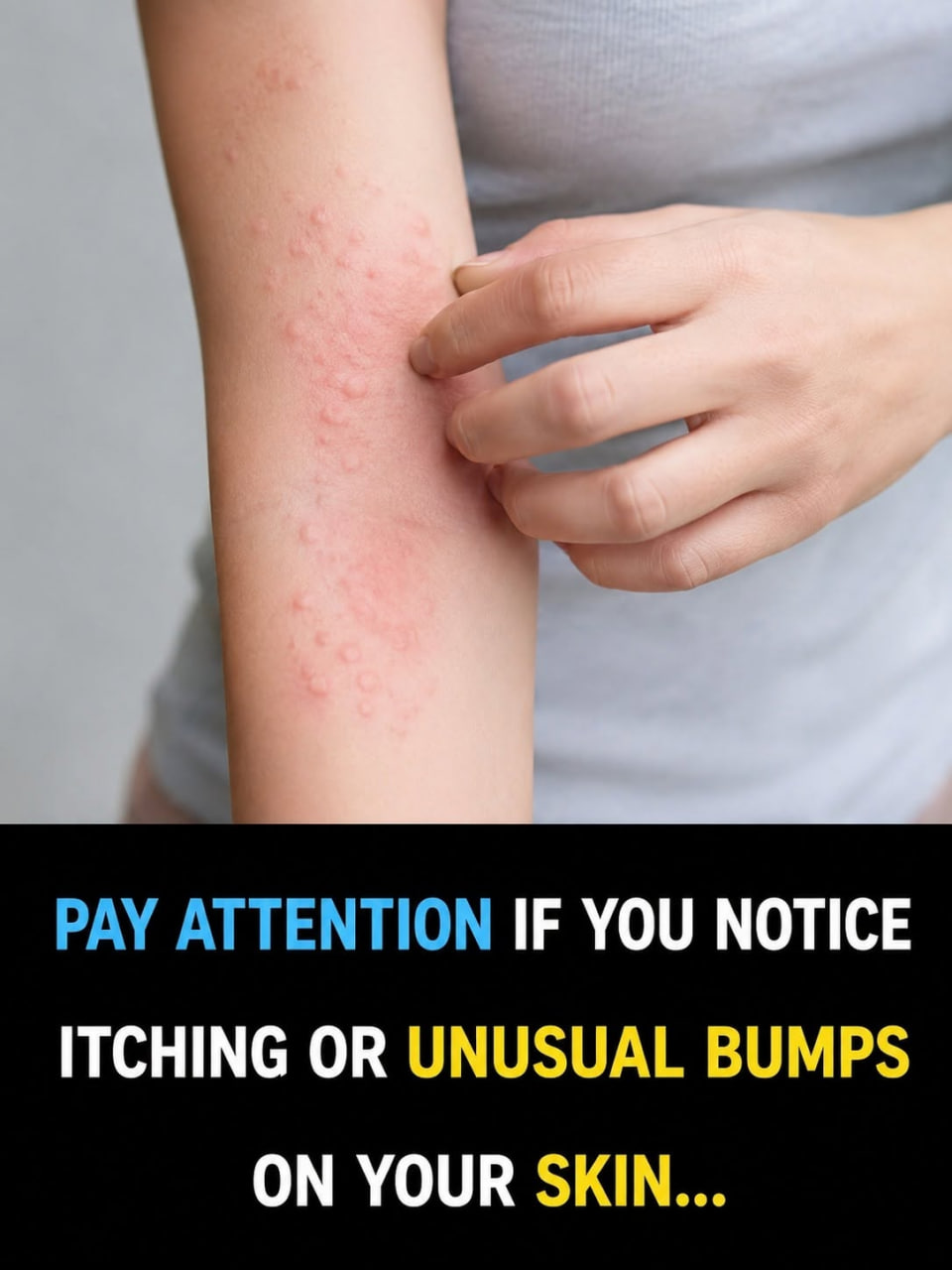
Hives can appear suddenly, often causing itchy, raised welts that seem to come out of nowhere. While they usually disappear within hours or days, recurring hives can leave many people wondering what’s causing them.
The good news is that most cases of hives are not dangerous and often resolve on their own. However, identifying potential triggers can help reduce future flare-ups and determine when medical attention is needed.
Here’s what you should know about the common—and sometimes surprising—causes of hives.
What Are Hives?
Hives, also called urticaria, are raised, itchy welts that develop when the body releases histamine and other chemicals into the skin.
They may appear:
- Pink, red, or skin-colored
- Small or several inches wide
- Round or irregularly shaped
- On any part of the body
Individual hives often fade within 24 hours, although new ones may continue appearing.
1. Food Allergies
One of the best-known triggers for hives is an allergic reaction to certain foods.
Common food triggers include:
- Peanuts
- Tree nuts
- Shellfish
- Fish
- Eggs
- Milk
- Wheat
- Soy
Hives from food allergies often appear within minutes to two hours after eating.
If hives occur together with difficulty breathing, swelling of the lips or throat, dizziness, or fainting, seek emergency medical care immediately, as these may be signs of anaphylaxis, a severe allergic reaction.
