
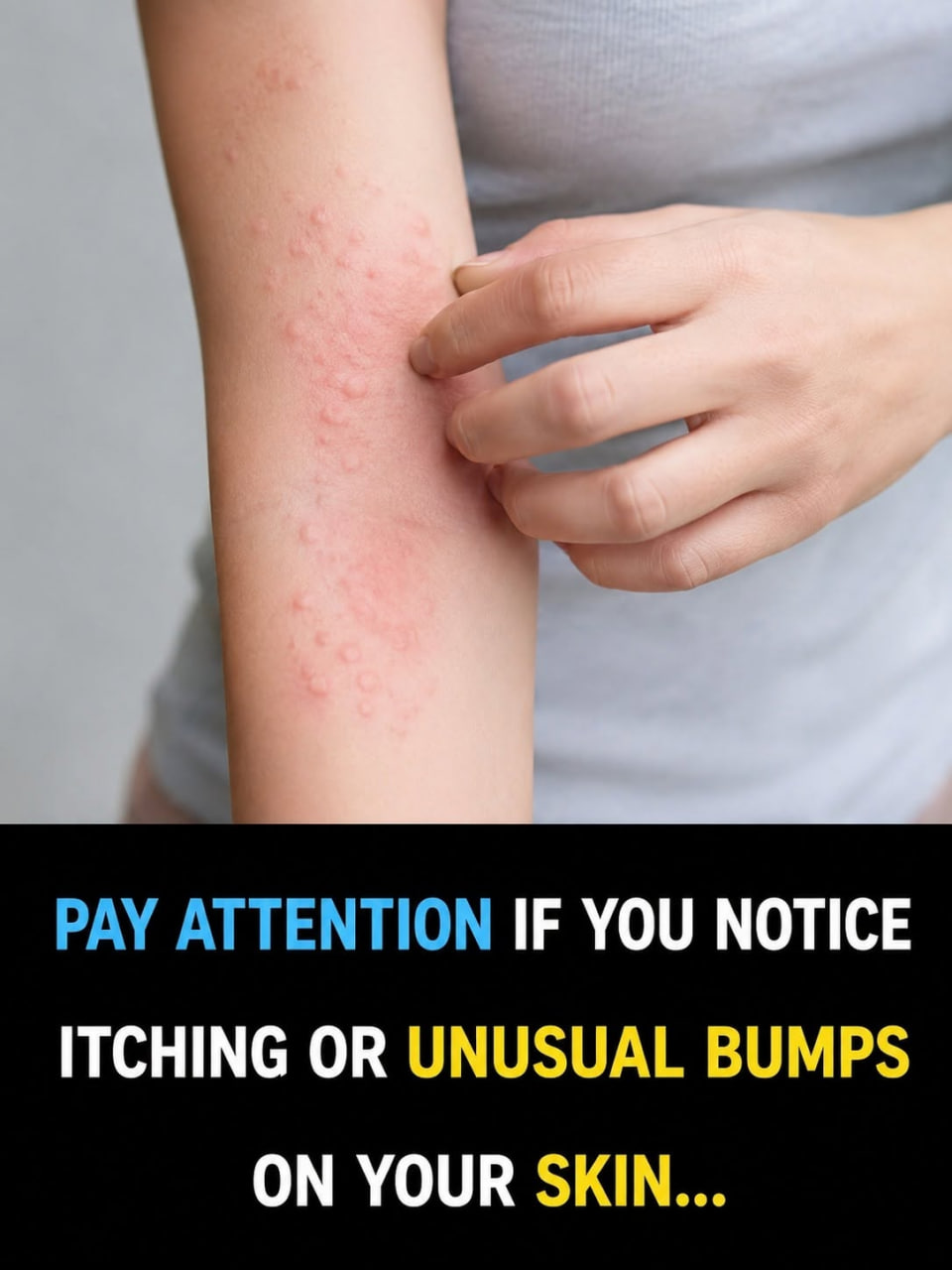
This condition is called chronic spontaneous urticaria.
Researchers believe many cases are related to immune system activity rather than allergies.
Although frustrating, most cases eventually improve with appropriate medical treatment.
When Should You See a Doctor?
Occasional mild hives often improve on their own.
However, you should seek medical evaluation if:
- Hives last longer than six weeks.
- They occur frequently without a clear trigger.
- They interfere with sleep or daily activities.
- They are accompanied by fever, bruising, or joint pain.
- Over-the-counter antihistamines do not provide relief.
Seek emergency medical attention immediately if hives occur with:
- Difficulty breathing
- Wheezing
- Swelling of the tongue or throat
- Trouble swallowing
- Severe dizziness or fainting
These symptoms may indicate a life-threatening allergic reaction.
How Are Hives Treated?
Treatment depends on the underlying cause.
Common approaches include:
- Avoiding known triggers
- Over-the-counter antihistamines
- Prescription antihistamines for persistent symptoms
- Corticosteroids for severe short-term flare-ups (when prescribed)
- Other immune-targeting medications for chronic cases
Your healthcare provider can recommend the most appropriate treatment based on your symptoms.
Tips to Help Prevent Flare-Ups
You may reduce your risk of future hives by:
- Keeping a symptom diary to identify triggers
- Avoiding foods or medications that previously caused reactions
- Wearing loose-fitting clothing
- Using fragrance-free skin products
- Managing stress
- Staying cool if heat triggers symptoms
- Following your healthcare provider’s treatment plan
The Bottom Line
Hives are a common skin condition that can have many different triggers, ranging from allergies and infections to stress, medications, and physical factors like heat or cold. While most cases are temporary and harmless, recurring or severe hives deserve medical evaluation to identify the underlying cause.
If you experience hives along with difficulty breathing, swelling of the face or throat, or dizziness, seek emergency medical care immediately. Prompt treatment can be lifesaving in cases of severe allergic reactions.
