
Maintain Excellent Oral Hygiene
Brush:
- Teeth twice daily
- Tongue
- Along the gumline
Floss every day to reduce bacteria and food debris.
Stay Hydrated
Drinking enough water helps keep the mouth moist and may reduce bacterial buildup.
Gentle Gargling
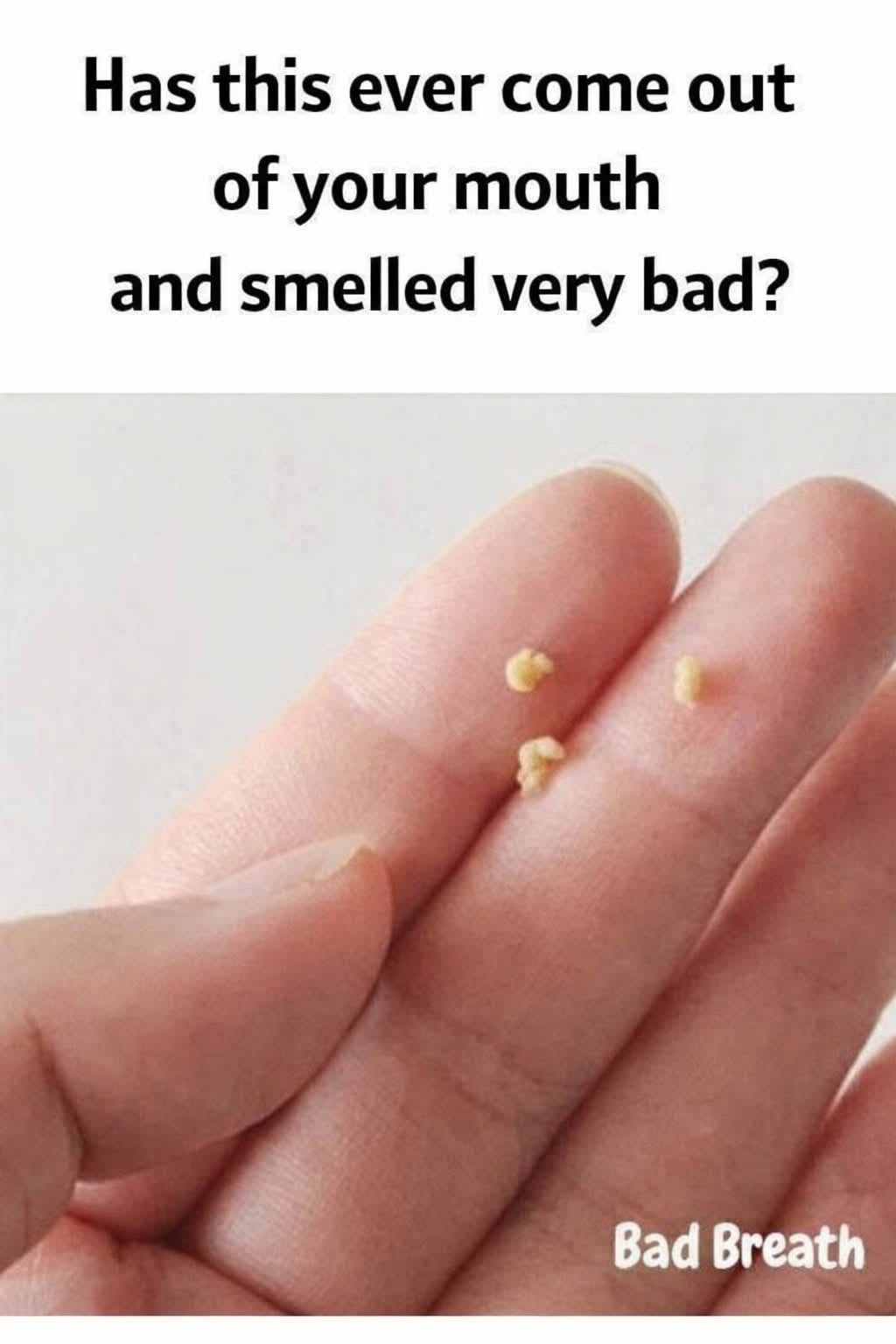
Some people find that vigorous gargling with water after meals helps dislodge small tonsil stones naturally.
What You Should Avoid
Never use sharp or pointed objects to remove tonsil stones.
Doing so can injure the delicate tissues of the throat and increase the risk of infection or bleeding.
If a stone is difficult to remove or causes significant discomfort, consult a healthcare professional.
When Should You See a Doctor?
Consider seeking medical advice if you experience:
- Severe throat pain
- Persistent difficulty swallowing
- Recurrent tonsil infections
- Large or painful tonsil stones
- Bleeding
- Fever
- Swollen lymph nodes
- Bad breath that doesn’t improve despite good oral hygiene
An ear, nose, and throat (ENT) specialist can evaluate persistent or recurring cases.
Can Tonsil Stones Be Prevented?
Although they cannot always be prevented completely, healthy habits may reduce the likelihood of developing them.
Helpful habits include:
Brush and Floss Daily
Removing food particles before they accumulate helps reduce bacterial growth.
Clean Your Tongue
Many odor-producing bacteria collect on the tongue’s surface.
Using a tongue scraper or toothbrush can help.
Gargle Regularly
Salt water or alcohol-free mouthwash may help keep the mouth cleaner.
Drink Plenty of Water
Adequate hydration supports saliva production, which naturally helps cleanse the mouth.
Avoid Smoking
Smoking contributes to dry mouth and bacterial growth, increasing the risk of bad breath and tonsil stones.
