
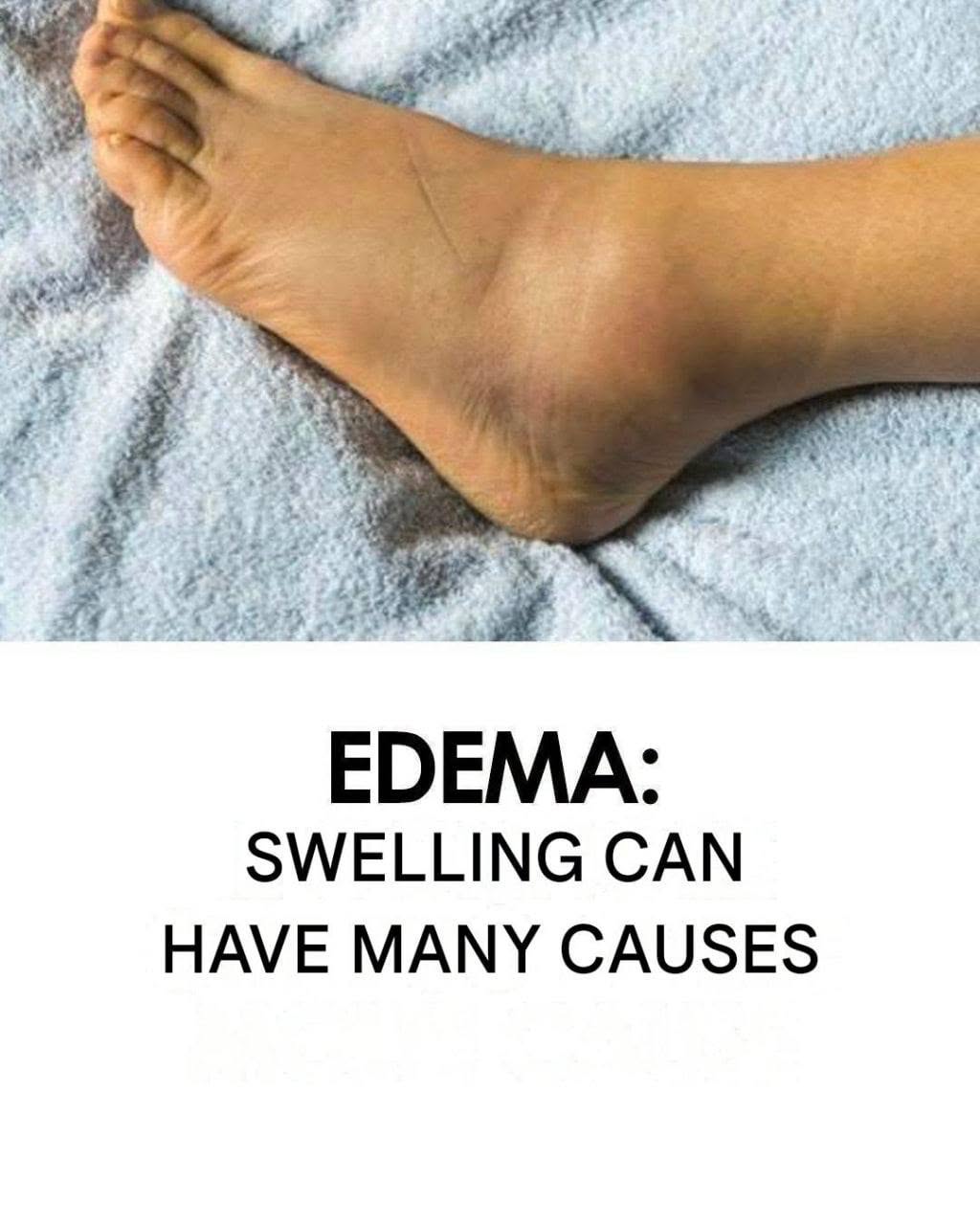
This commonly happens during:
- Long flights
- Road trips
- Desk jobs
- Standing all day at work
2. Hot Weather
Heat causes blood vessels to widen, making it easier for fluid to move into surrounding tissues.
Many people notice swollen ankles during the summer months.
3. High Salt Intake
Eating too much sodium can cause the body to retain extra water, leading to temporary swelling.
Processed foods are among the biggest sources of excess salt.
4. Pregnancy
Mild swelling is common during pregnancy, especially in the feet and ankles.
However, sudden swelling—particularly when accompanied by high blood pressure, headaches, or vision changes—requires immediate medical evaluation because it may indicate preeclampsia.
5. Certain Medications
Some medicines can contribute to fluid retention, including:
- Blood pressure medications
- Corticosteroids
- Some diabetes medications
- Hormonal therapies
- Certain anti-inflammatory drugs
Never stop prescribed medication without consulting your healthcare provider.
6. Chronic Medical Conditions
Persistent edema may be associated with conditions such as:
- Heart failure
- Kidney disease
- Liver disease
- Chronic venous insufficiency
- Lymphedema
- Thyroid disorders
These conditions require medical assessment and treatment.
Simple Ways to Reduce Mild Swelling
If your swelling is occasional and not related to a serious medical condition, these measures may help:
- Elevate your legs above heart level when resting.
- Walk regularly to improve circulation.
- Avoid sitting or standing in one position for long periods.
- Wear properly fitted compression stockings if recommended by your healthcare provider.
- Reduce excess sodium in your diet.
- Stay physically active.
- Maintain a healthy body weight.
When to See a Doctor
Schedule a medical appointment if swelling:
- Persists for several days.
- Keeps returning.
- Affects only one leg.
- Becomes increasingly painful.
- Is accompanied by redness or warmth.
- Occurs along with unexplained weight gain.
Seek Emergency Medical Care Immediately If
Call emergency services right away if swelling occurs together with:
- Sudden shortness of breath.
- Chest pain or pressure.
- Difficulty breathing while lying down.
- Fainting.
- Coughing up pink, frothy mucus.
- Sudden swelling in one leg with severe pain, warmth, or redness, which could indicate a blood clot.
Can Edema Be Prevented?
Not every case can be prevented, but healthy habits may reduce the risk:
- Stay active throughout the day.
- Limit excess salt intake.
- Drink enough water.
- Maintain a healthy weight.
- Manage chronic conditions such as high blood pressure or diabetes.
- Follow your healthcare provider’s treatment plan.
The Bottom Line
Edema is a common symptom with many possible causes, ranging from standing too long to more serious heart, kidney, or liver conditions. While occasional mild swelling is often harmless, persistent, painful, or sudden swelling should never be ignored.
If swelling doesn’t improve or is accompanied by other concerning symptoms, it’s important to consult a healthcare professional to determine the underlying cause and receive appropriate treatment.
