
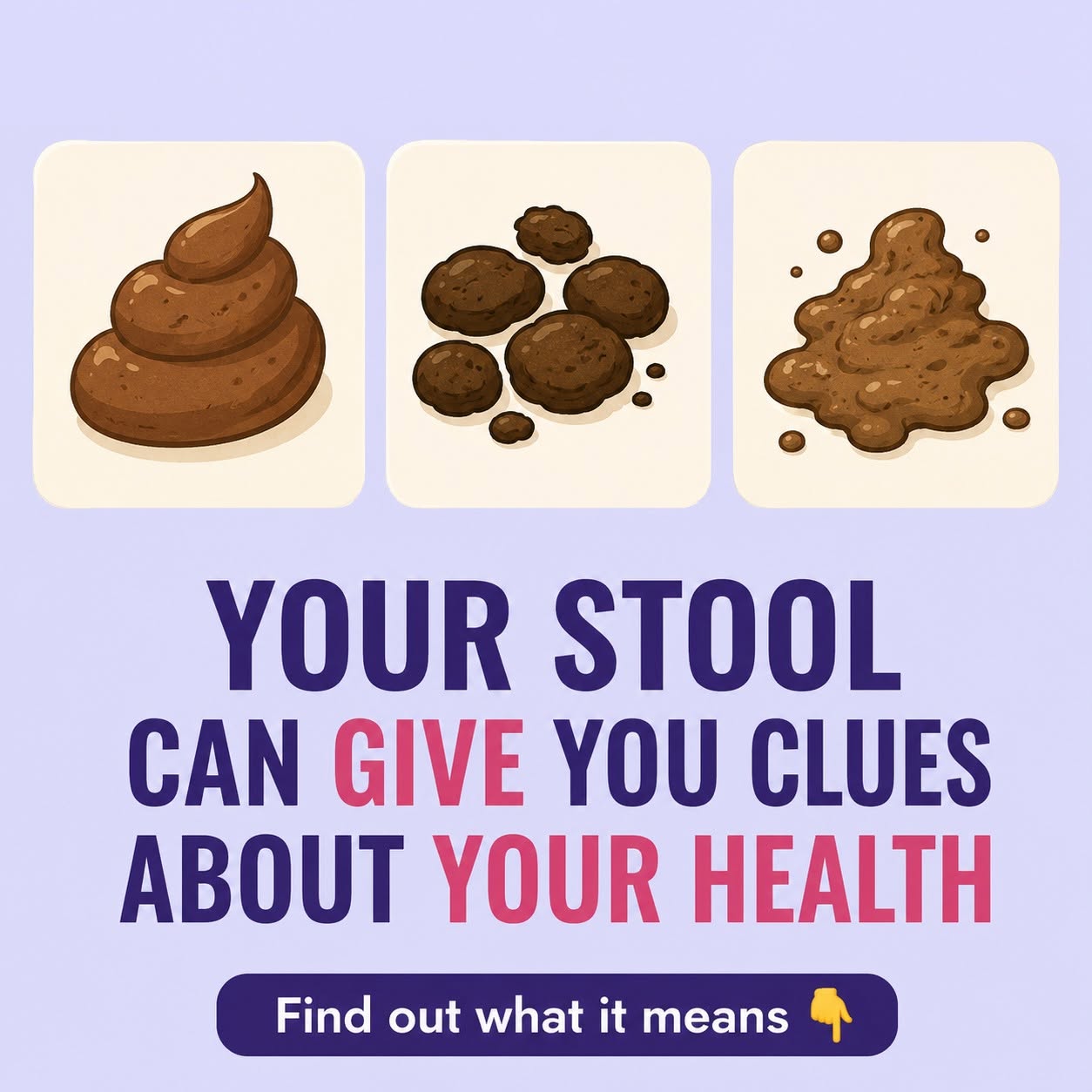
If green stools are accompanied by diarrhea for several days, consult your healthcare provider.
🟡 Yellow
Yellow or greasy stool may indicate that fat isn’t being absorbed properly. Possible causes include digestive disorders affecting the pancreas, liver, or gallbladder.
If yellow stool persists or appears oily or foul-smelling, seek medical advice.
⚫ Black
Black stool isn’t always a cause for concern. Iron supplements, activated charcoal, and foods like black licorice or blueberries may darken stool.
However, black, tarry stool can also indicate bleeding in the upper digestive tract and should be evaluated promptly, especially if it occurs without an obvious dietary cause.
🔴 Red
Bright red stool may result from:
- Beets or foods with red coloring
- Hemorrhoids
- Anal fissures
However, it can also indicate bleeding from the lower digestive tract. If you notice blood in your stool—especially repeatedly or in large amounts—contact a healthcare provider immediately.
⚪ Pale or Clay-Colored
Very pale or gray stool may suggest a lack of bile reaching the intestines, which can occur with liver, gallbladder, or bile duct problems.
Persistent pale stools should always be medically evaluated.
Stool Shape Matters Too
Doctors often use the Bristol Stool Chart to describe stool consistency.
Type 1–2: Hard Lumps
These usually suggest constipation, often caused by:
- Not drinking enough water
- Low fiber intake
- Lack of physical activity
Type 3–4: Ideal
Smooth, soft, and easy to pass. These are considered healthy bowel movements.
Type 5–7: Loose or Watery
Loose stools may result from:
- Viral infections
- Food intolerances
- Stress
- Certain medications
Persistent diarrhea lasting more than two days, especially with fever or dehydration, should be evaluated.
Signs You Shouldn’t Ignore
Contact a healthcare professional if you notice:
- Blood in your stool
- Black, tarry stool without an obvious cause
- Pale or clay-colored stool that persists
- Severe abdominal pain
- Unexplained weight loss
- Persistent diarrhea lasting several days
- Ongoing constipation that doesn’t improve
- Stool changes lasting longer than two weeks
Early evaluation can help identify treatable conditions before they become more serious.
