
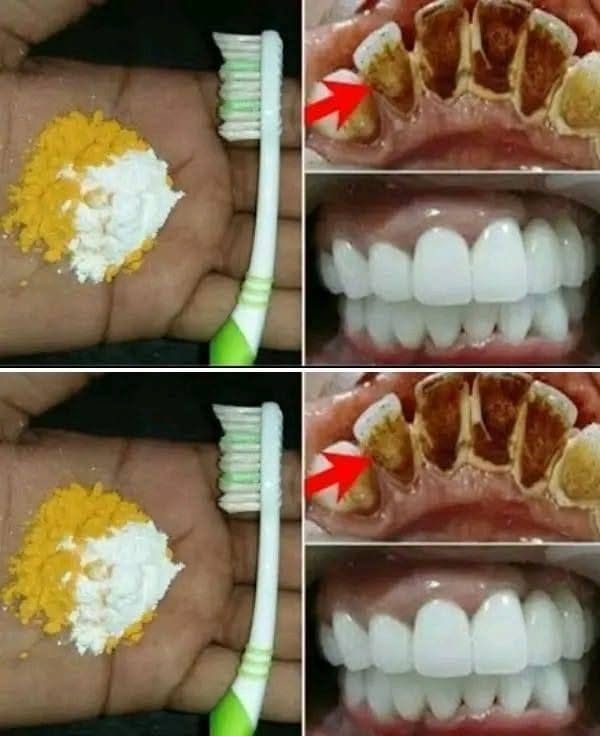
A bright, white smile is often associated with confidence and good oral health. It’s no surprise that quick home teeth-whitening methods have become incredibly popular online. Many articles and social media posts claim that you can achieve dramatically whiter teeth in just a few minutes using simple ingredients found at home.
But do these methods actually work? And more importantly, are they safe for your teeth?
Let’s take a closer look at the truth behind at-home teeth whitening and discover the best ways to brighten your smile.
Why Teeth Become Yellow
Teeth naturally change color over time. Several factors can contribute to staining and discoloration, including:
- Drinking coffee and tea
- Smoking or tobacco use
- Red wine
- Certain foods and spices
- Aging
- Poor dental hygiene
- Some medications
There are two main types of stains:
Surface Stains
These occur on the outer layer of the teeth and are often caused by food, drinks, and smoking.
Deep Stains
These develop inside the tooth and may be related to aging, medications, or damage to the tooth structure.
Popular Home Whitening Methods
Many people try DIY methods because they are inexpensive and convenient.
Some commonly discussed methods include:
- Baking soda
- Hydrogen peroxide
- Whitening toothpaste
- Oil pulling
- Activated charcoal
- Whitening strips
However, not all of these methods have the same level of effectiveness or safety.
Baking Soda for Whitening
Baking soda is one of the most popular natural whitening ingredients.
How It Works
Baking soda is mildly abrasive, which means it may help remove some surface stains from the teeth.
Possible Benefits
- Inexpensive
- Easily available
- May improve the appearance of surface stains
Potential Risks
Excessive use may:
- Wear down tooth enamel
- Increase tooth sensitivity
- Irritate the gums
Moderation is important.
Hydrogen Peroxide
Hydrogen peroxide is commonly found in many commercial whitening products.
It may help:
- Lighten certain stains
- Remove surface discoloration
However, using highly concentrated solutions or applying them incorrectly can irritate the gums and increase tooth sensitivity.
Whitening Toothpaste
Whitening toothpaste can help remove some external stains over time.
These products often contain:
- Mild abrasives
- Polishing agents
- Ingredients that help reduce surface discoloration
They generally provide gradual improvements rather than instant results.
Do Instant Whitening Remedies Really Work?
Claims that teeth can become dramatically whiter in just two minutes are usually exaggerated.
Most safe whitening methods:
- Require repeated use.
- Produce gradual improvements.
- Cannot instantly change the natural color of teeth.
While some methods may temporarily make teeth look cleaner or brighter, significant whitening typically takes time.
Foods That May Help Support a Brighter Smile
Certain habits can help keep teeth looking their best:
- Drink plenty of water.
- Eat crunchy fruits and vegetables.
- Limit sugary beverages.
- Reduce tobacco use.
- Brush and floss regularly.
Good oral hygiene often makes a noticeable difference.
Habits That Can Cause Stains
To protect your smile, consider limiting:
- Coffee
- Tea
- Red wine
- Dark sodas
- Smoking
- Excessive sugary foods
Rinsing your mouth with water after consuming staining foods and drinks may also help.
Professional Whitening Options
For people seeking more noticeable results, professional treatments may be an option.
Dentists can offer:
- Professional whitening treatments
- Customized whitening trays
- Advice tailored to individual dental needs
Professional supervision can help reduce the risk of irritation or damage.
When to Be Careful
Not everyone is a good candidate for whitening treatments.
Extra caution may be needed if you have:
- Sensitive teeth
- Gum disease
- Cavities
- Dental restorations such as crowns or veneers
Speaking with a dental professional can help determine the safest approach.
Tips for Maintaining White Teeth
To keep your smile looking bright:
- Brush twice daily.
- Floss regularly.
- Visit your dentist for routine checkups.
- Drink water after staining beverages.
- Maintain good oral hygiene habits.
Consistency is often more effective than searching for quick fixes.
Final Thoughts
The idea of achieving dramatically whiter teeth in just two minutes is appealing, but there is no miracle solution that instantly transforms your smile. While certain home remedies may help reduce surface stains and improve the appearance of your teeth over time, safe and lasting whitening generally requires patience and proper dental care.
A healthy oral hygiene routine, combined with realistic expectations and safe whitening methods, remains the best way to achieve and maintain a brighter, healthier smile.
