
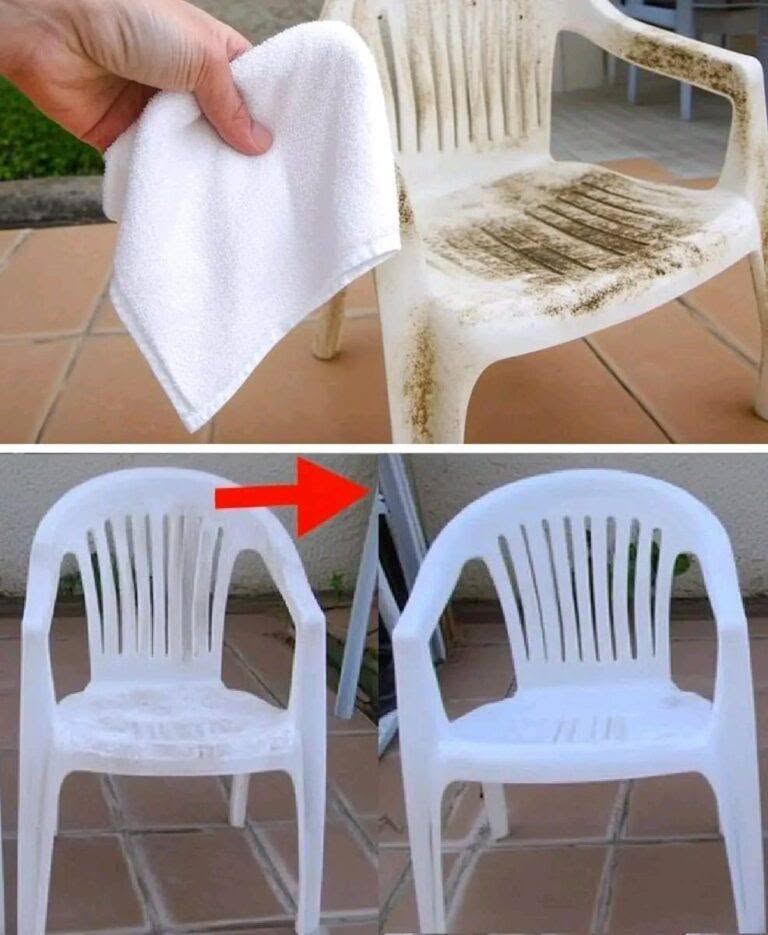
Plastic outdoor chairs are affordable, durable, and easy to maintain, making them a popular choice for patios, gardens, balconies, and backyards. However, after months or years of exposure to sunlight, rain, dust, and pollution, even high-quality plastic furniture can become dull, yellowed, or stained.
The good news is that most plastic chairs can be refreshed with a few simple cleaning techniques and regular maintenance. While severely sun-damaged plastic may never return to its original appearance, proper cleaning can dramatically improve its look.
Why Do Plastic Chairs Turn Yellow?
White plastic naturally changes over time due to several factors, including:
- UV rays from the sun
- Dirt and dust buildup
- Mold and mildew
- Air pollution
- Oxidation of the plastic
- Food and drink stains
Understanding the cause of discoloration helps you choose the most effective cleaning method.
Supplies You’ll Need
Gather a few common household items before you begin:
- Warm water
- Mild dish soap
- Soft sponge or microfiber cloth
- Soft-bristle brush
- Baking soda
- White vinegar
- Spray bottle
- Rubber gloves
- Bucket
- Clean towels
Avoid using steel wool or abrasive scrubbers, which can scratch the plastic surface.
Method 1: Soap and Warm Water
For chairs with light dirt and everyday grime, a basic wash is often enough.
Instructions
- Mix warm water with a few drops of dish soap.
- Dip a sponge into the solution.
- Wipe every part of the chair.
- Use a soft brush to clean textured areas.
- Rinse thoroughly with clean water.
- Dry with a towel or allow the chair to air dry.
This method is ideal for routine cleaning.
Method 2: Baking Soda Paste
Baking soda works as a gentle abrasive that can help remove stubborn stains.
Ingredients
- ½ cup baking soda
- Small amount of water
Directions
- Mix baking soda with enough water to create a thick paste.
- Apply the paste to stained or yellowed areas.
- Let it sit for 15–20 minutes.
- Gently scrub with a soft sponge or brush.
- Rinse well.
This method is effective for many common outdoor stains.
Method 3: White Vinegar Solution
White vinegar helps dissolve mineral deposits and remove mildew.
Mix
- Equal parts white vinegar and water
Steps
- Pour the mixture into a spray bottle.
- Spray the entire chair.
- Allow it to sit for 10–15 minutes.
- Wipe clean with a damp cloth.
- Rinse thoroughly.
The vinegar smell disappears as the chair dries.
Method 4: Oxygen Bleach for Tough Stains
For heavily stained chairs, an oxygen-based bleach cleaner can be helpful.
Unlike chlorine bleach, oxygen bleach is generally gentler on many surfaces.
Always:
- Follow the manufacturer’s instructions.
- Wear gloves.
- Test a small hidden area first.
- Rinse completely after cleaning.
Removing Mold and Mildew
Outdoor furniture stored in damp conditions may develop mold.
To remove it:
- Wash away loose dirt.
- Clean using vinegar or an oxygen bleach solution.
- Scrub gently with a soft brush.
- Rinse thoroughly.
- Allow the chair to dry completely in sunlight.
Proper drying helps prevent mold from returning.
What to Avoid
Some cleaning methods can permanently damage plastic furniture.
Avoid:
- Steel wool
- Metal brushes
- Harsh abrasive powders
- Strong solvents such as acetone
- Undiluted chlorine bleach unless recommended by the manufacturer
- Pressure washers at very high pressure
These can scratch, discolor, or weaken the plastic.
Preventing Future Yellowing
A little maintenance goes a long way.
To keep plastic chairs looking their best:
- Wash them every few weeks during outdoor season.
- Store them indoors during harsh winter weather.
- Cover them when not in use for long periods.
- Wipe away spills promptly.
- Avoid leaving them in direct sunlight year-round if possible.
Can Yellow Plastic Be Restored Completely?
Not always.
If discoloration is caused by surface dirt or mildew, cleaning often restores much of the original color.
However, if the plastic itself has degraded from years of UV exposure, some yellowing may be permanent. In these cases, cleaning can still improve the appearance significantly, even if the chair doesn’t return to bright white.
Final Thoughts
Plastic chairs don’t have to be replaced simply because they’ve become dirty or yellowed. With regular cleaning, gentle household products like baking soda and white vinegar, and proper storage, you can extend the life of your outdoor furniture and keep it looking fresh for many seasons.
A little care each year can make even older plastic chairs look cleaner, brighter, and more inviting for your outdoor space.
