
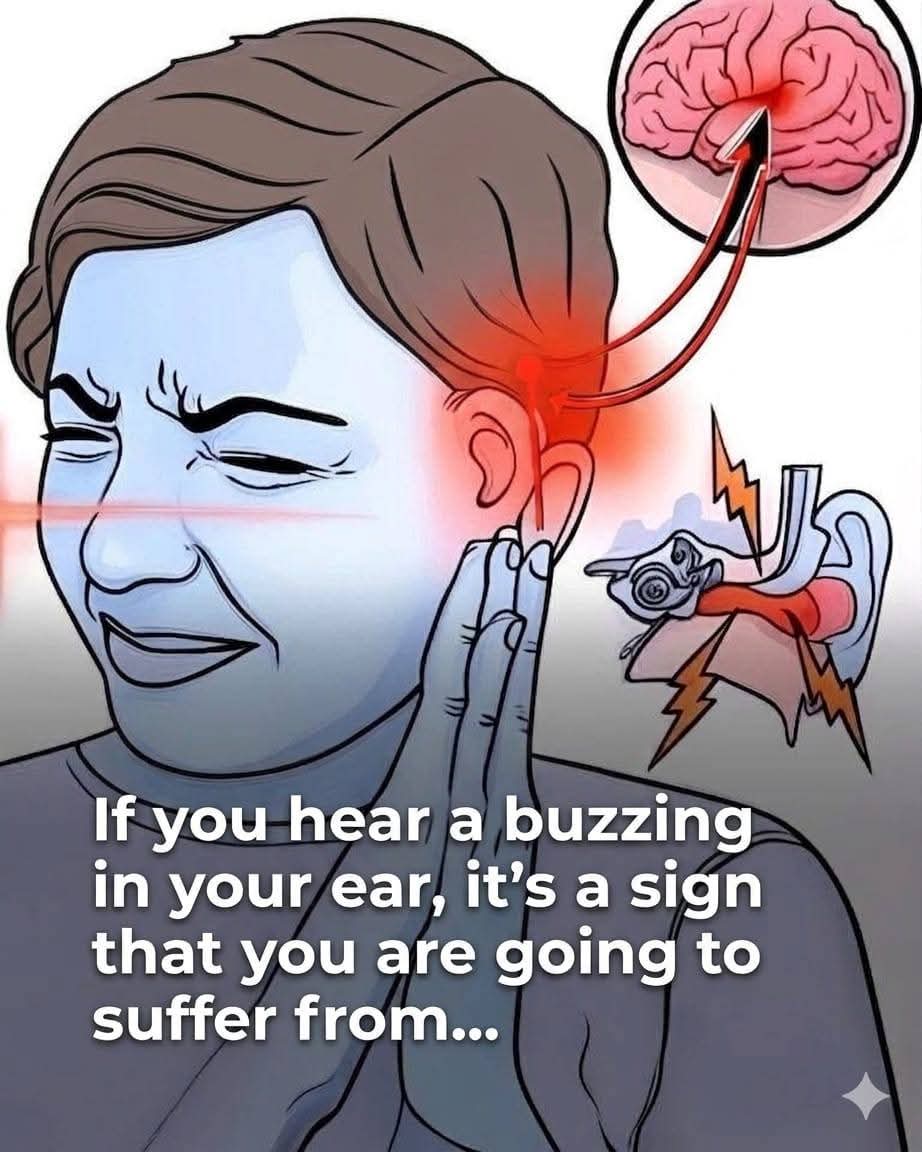
Tinnitus, commonly known as a ringing or buzzing sound in the ears, is a condition in which a person perceives sound without any external acoustic source. It is not a disease on its own, but rather a symptom that usually indicates an underlying problem in the auditory system, the ear structures, or sometimes even the nervous system.
The sounds associated with tinnitus can vary from person to person. Some individuals describe it as a high-pitched ringing, while others may hear humming, buzzing, hissing, clicking, or even a roaring noise. The intensity of these sounds can also differ, ranging from barely noticeable to extremely loud and disturbing.
One of the most common causes of tinnitus is prolonged exposure to loud noise. This can occur in situations such as listening to loud music through headphones, attending concerts, or working in noisy environments like construction sites or factories. Over time, excessive noise can damage the tiny hair cells in the inner ear, which are responsible for converting sound vibrations into electrical signals sent to the brain. Once these cells are damaged, they cannot regenerate, which may lead to permanent or temporary tinnitus.
Another major cause is age-related hearing loss, also known as presbycusis. As people age, the auditory system naturally weakens, and hearing ability gradually decreases. This decline can sometimes trigger tinnitus symptoms. In addition, earwax buildup can block the ear canal and affect how sound is transmitted, leading to temporary ringing sensations.
Medical conditions such as ear infections, Meniere’s disease, or issues with the eustachian tube can also contribute to tinnitus. Certain medications, especially those known as ototoxic drugs, may cause or worsen the condition. Stress, anxiety, and fatigue do not directly cause tinnitus but can significantly increase the awareness and severity of the perceived sound.
Tinnitus is often more noticeable in quiet environments, particularly at night when background noise is minimal. This is why many people find it more disturbing when trying to sleep. Although in most cases tinnitus is not dangerous, it can have a serious impact on quality of life, including difficulty concentrating, sleep disturbances, irritability, and emotional distress.
Management of tinnitus depends on identifying and treating the underlying cause when possible. If earwax is the problem, removal can provide relief. If it is related to an infection, medical treatment may resolve the symptoms. In cases where no specific cause is found, several coping strategies can help reduce its impact. These include sound therapy (such as using white noise or soft background music), stress management techniques, limiting exposure to loud noise, improving sleep hygiene, and avoiding stimulants like caffeine in excess.
In more severe cases, hearing aids or specialized tinnitus retraining therapy may be recommended by healthcare professionals. While there is currently no universal cure for tinnitus, many people learn to manage it effectively and reduce its impact on daily life with proper care and support.
