
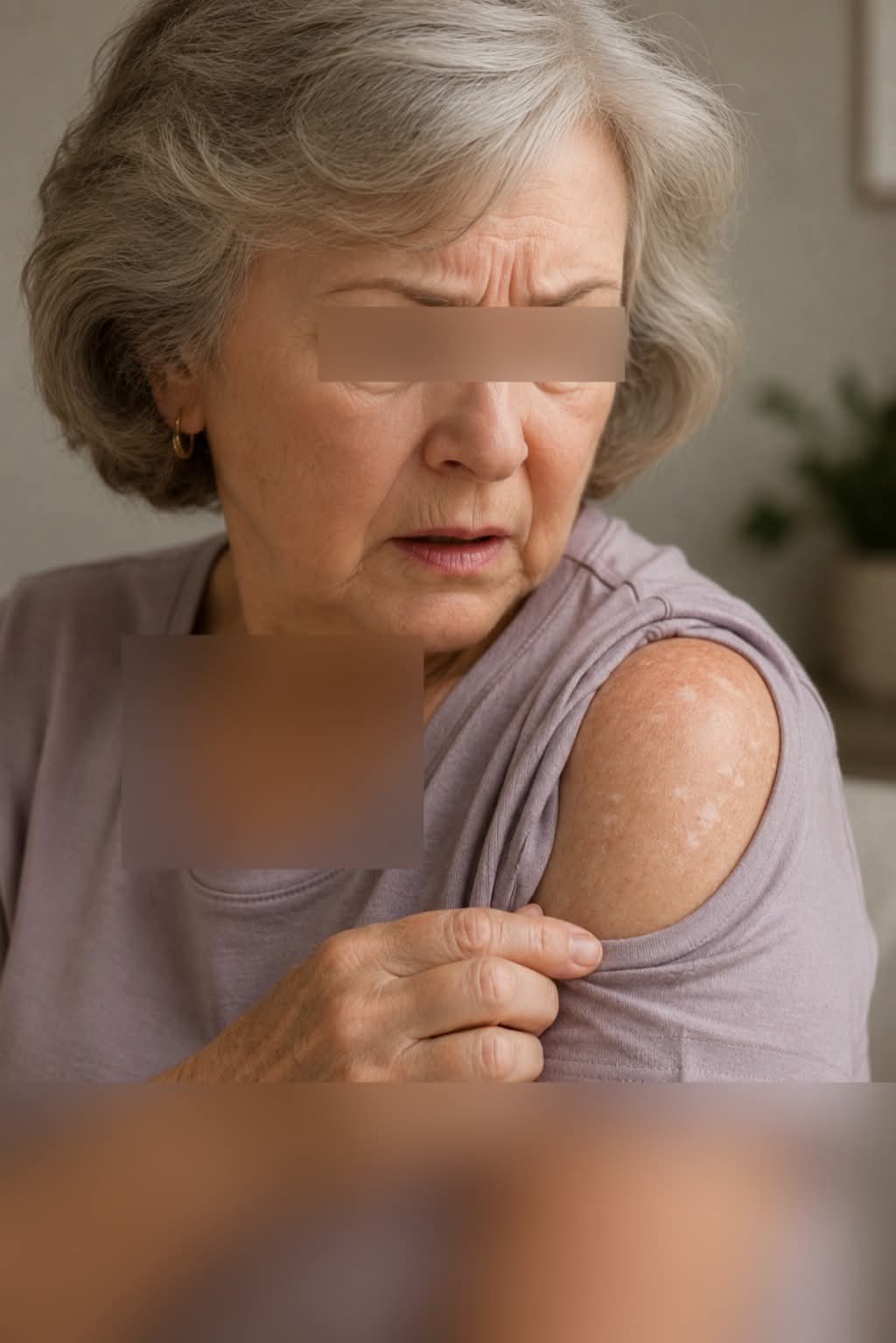
These Are the First Symptoms of Skin Cancer You Should Never Ignore
Skin cancer is one of the most common types of cancer, but when detected early, it is often highly treatable. Knowing the warning signs can help you recognize suspicious changes and seek medical attention before the condition becomes more serious.
1. A New Spot or Growth
One of the earliest signs is the appearance of a new mole, bump, or patch of skin that wasn’t there before. Any new growth that continues to enlarge or change over time should be evaluated.
2. Changes in an Existing Mole
Pay attention to moles that become larger, change color, develop uneven borders, or lose their symmetrical shape. The ABCDE rule—Asymmetry, Border irregularity, Color variation, Diameter larger than 6 mm, and Evolution—is a useful guide for identifying suspicious moles.
3. A Sore That Doesn’t Heal
A wound, scab, or ulcer that fails to heal after several weeks, or repeatedly heals and returns, may be an early sign of skin cancer.
4. Itching, Pain, or Tenderness
Although many skin cancers are painless, some may itch, burn, become tender, or bleed without any obvious injury.
5. Changes in Skin Texture
Rough, scaly patches, thickened skin, or shiny bumps can sometimes indicate basal cell carcinoma or squamous cell carcinoma.
6. Bleeding or Crusting
A spot that bleeds easily, forms a crust, or oozes without a clear cause should not be ignored, especially if it persists.
Who Is at Higher Risk?
Risk factors include excessive sun exposure, frequent sunburns, tanning bed use, fair skin, a family history of skin cancer, a weakened immune system, and older age.
When to See a Doctor
If you notice any suspicious skin changes that persist for more than a few weeks, or if a mole or lesion changes in size, shape, or color, schedule an examination with a healthcare professional or dermatologist. Early diagnosis greatly improves treatment outcomes.
Disclaimer: This article is for informational purposes only and is not a substitute for professional medical advice. If you notice concerning skin changes, consult a qualified healthcare provider for an accurate diagnosis.
