
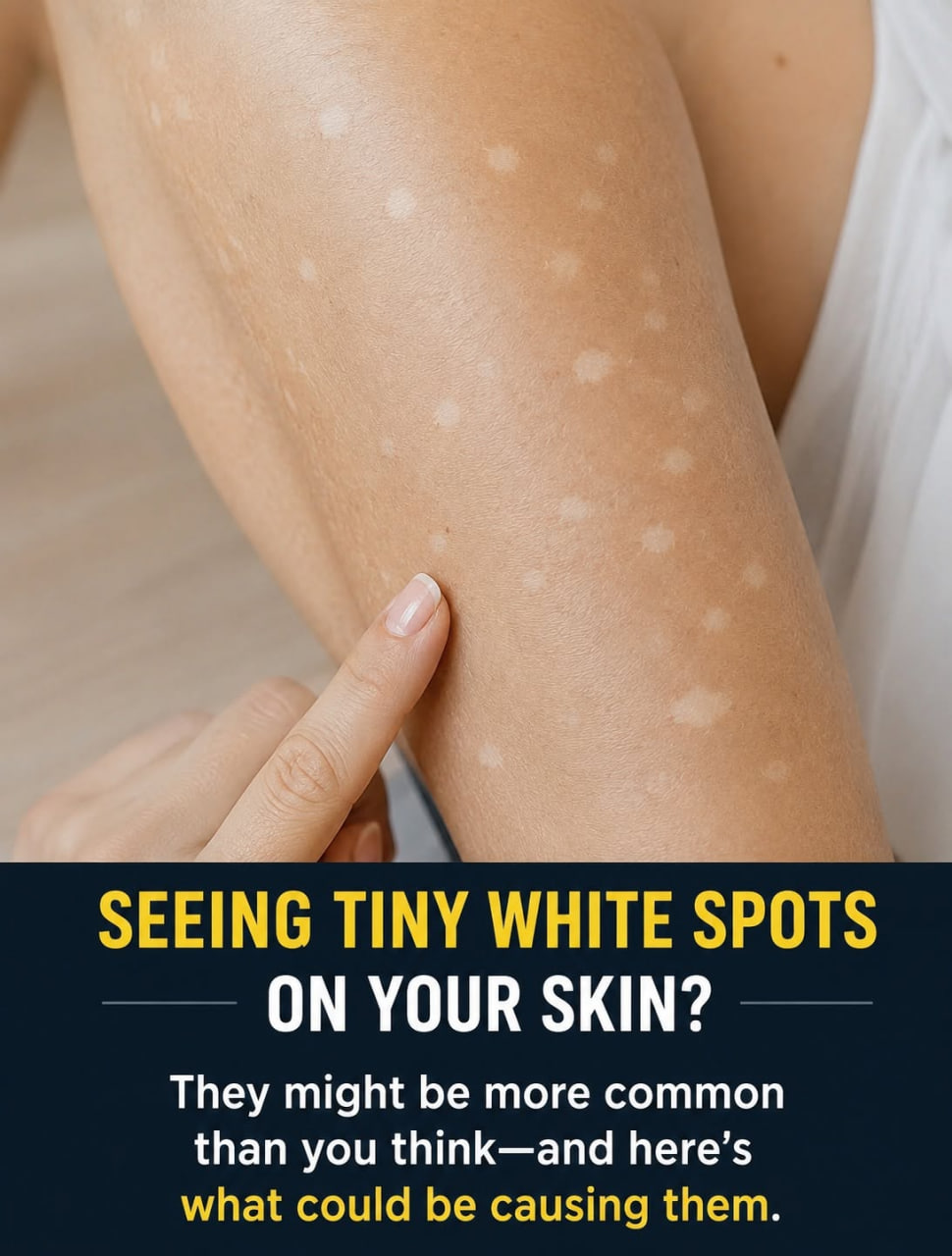
Unlike IGH, vitiligo usually causes:
- Larger white patches.
- Clearly defined borders.
- Progressive spreading over time.
- Loss of pigment that may also affect hair.
Vitiligo is not contagious, but evaluation by a dermatologist is recommended.
4. Tinea Versicolor
A common yeast that naturally lives on the skin can sometimes grow excessively, leading to a fungal condition called tinea versicolor.
Symptoms may include:
- White, pink, or light brown patches.
- Mild scaling.
- Slight itching.
- Spots that become more noticeable after sun exposure.
This condition is usually treatable with antifungal creams or medicated shampoos.
5. Nutritional Deficiencies
Although less common, certain vitamin or mineral deficiencies may contribute to changes in skin pigmentation.
Possible nutrients involved include:
- Vitamin B12
- Copper
- Zinc
- Vitamin D
A healthcare provider can determine whether blood testing is appropriate.
6. Post-Inflammatory Hypopigmentation
Sometimes white spots develop after the skin heals from:
- Eczema
- Psoriasis
- Burns
- Cuts
- Skin infections
- Allergic reactions
Pigment often returns gradually over several months.
When Should You See a Doctor?
Schedule a medical evaluation if the white spots:
- Spread rapidly.
- Continue increasing in number.
- Become itchy, painful, or inflamed.
- Develop after a new medication.
- Are accompanied by other unusual symptoms.
- Cause significant cosmetic concern.
A dermatologist can usually diagnose the cause through a physical examination and, if needed, additional testing.
Can White Spots Be Prevented?
Not every cause can be prevented, but these habits may help protect your skin:
- Apply broad-spectrum sunscreen every day.
- Avoid excessive sun exposure.
- Wear protective clothing outdoors.
- Keep your skin moisturized.
- Treat fungal skin infections promptly.
- Eat a balanced diet rich in vitamins and minerals.
Treatment Options
Treatment depends entirely on the underlying cause.
Possible options include:
- No treatment for harmless age-related spots.
- Antifungal medications for fungal infections.
- Prescription creams for inflammatory skin conditions.
- Light therapy or topical medications for vitiligo.
- Cosmetic camouflage if appearance is the primary concern.
Final Thoughts
Tiny white spots on the skin are often harmless and simply reflect natural aging or years of sun exposure. However, they can sometimes indicate conditions such as vitiligo, fungal infections, or other pigment disorders.
If you’re unsure about the cause—especially if the spots are changing or spreading—it’s always wise to consult a healthcare professional for an accurate diagnosis.
Medical Disclaimer: This article is for informational purposes only and should not replace professional medical advice, diagnosis, or treatment. If you notice persistent or rapidly changing skin lesions, consult a qualified healthcare provider or dermatologist.
