
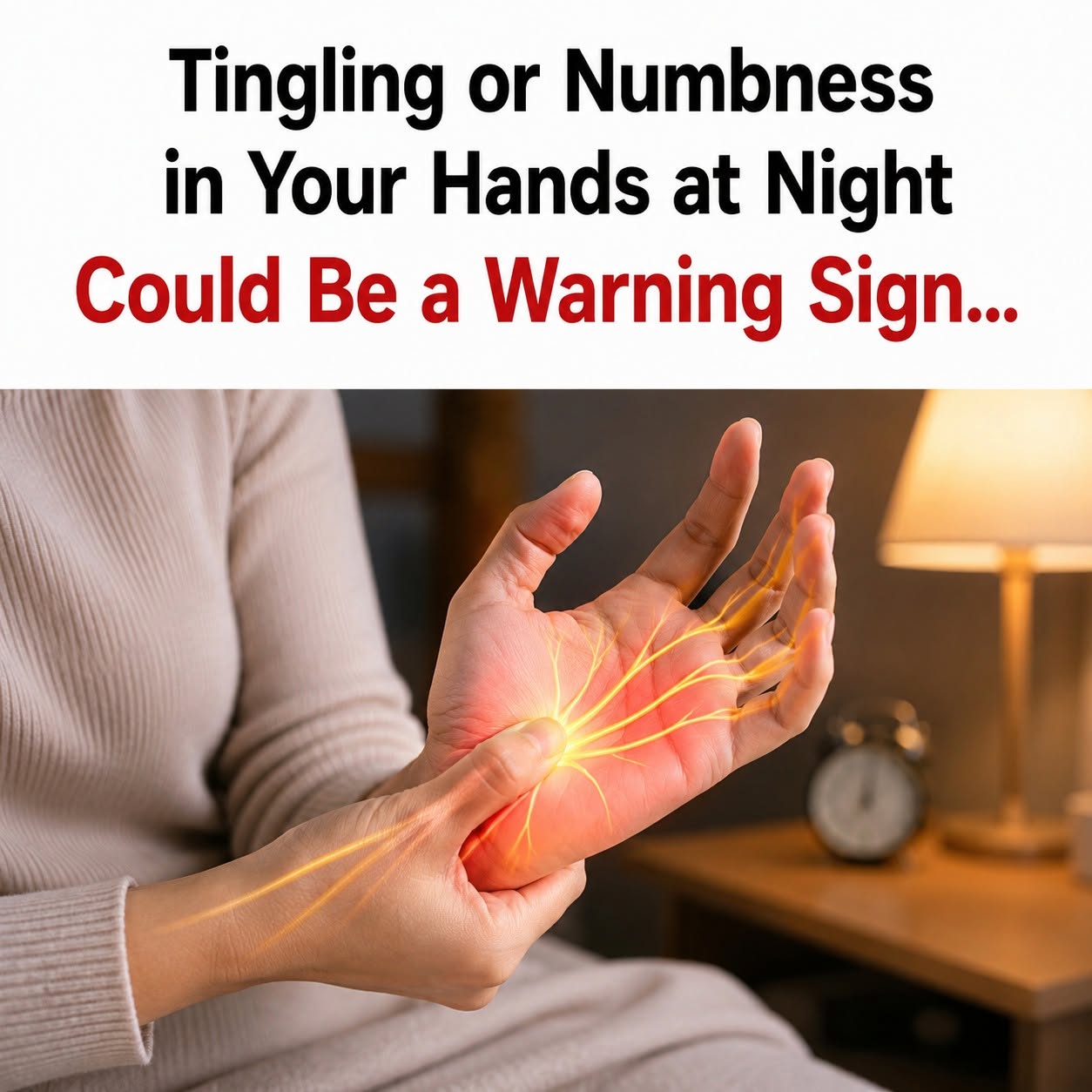
Common Symptoms
- Tingling in the thumb, index, middle, and part of the ring finger
- Numbness that wakes you during the night
- Burning or aching pain
- Weak grip strength
- Frequently dropping objects
Many people notice that shaking their hand temporarily relieves the symptoms.
Risk Factors
- Repetitive hand movements
- Arthritis
- Diabetes
- Pregnancy
- Obesity
- Thyroid disorders
3. Cubital Tunnel Syndrome
The ulnar nerve runs behind the elbow. If it becomes compressed—especially while sleeping with your elbows bent—you may experience:
- Tingling in the ring finger and little finger
- Hand weakness
- Numbness that worsens overnight
Keeping the elbows straighter during sleep may reduce symptoms.
4. Cervical Radiculopathy (Pinched Nerve in the Neck)
Problems affecting the cervical spine, such as arthritis or a herniated disc, can irritate nerves that travel into the arms.
Symptoms may include:
- Neck pain
- Shoulder pain
- Numbness or tingling in one arm
- Weakness in the hand or fingers
Unlike simple pressure-related numbness, symptoms may persist during the day.
5. Diabetes
Long-term high blood sugar can damage nerves, leading to diabetic neuropathy.
Although it often begins in the feet, some people also experience numbness in their hands.
Symptoms include:
- Tingling
- Burning sensations
- Reduced feeling
- Numbness that gradually worsens over time
Keeping blood sugar well controlled can help reduce the risk of nerve damage.
6. Vitamin B12 Deficiency
Vitamin B12 plays an essential role in maintaining healthy nerves.
Low B12 levels may cause:
- Tingling in the hands and feet
- Balance problems
- Fatigue
- Memory difficulties
- Weakness
Your healthcare provider can diagnose B12 deficiency with a simple blood test.
7. Poor Circulation
Reduced blood flow can occasionally contribute to temporary numbness, particularly if you remain in one position for a long time.
Improving circulation through regular movement and exercise may help reduce symptoms.
When Should You See a Doctor?
Seek medical evaluation if:
- Numbness happens frequently.
- Symptoms last more than a few minutes after waking.
- You notice weakness in your hand.
- The numbness spreads up your arm.
- Symptoms interfere with daily activities.
- You have diabetes or another medical condition associated with nerve damage.
Seek Emergency Care Immediately If
Call emergency services right away if numbness is accompanied by:
- Sudden weakness on one side of the body
- Difficulty speaking
- Facial drooping
- Loss of vision
- Severe dizziness
- Sudden confusion
These may be signs of a stroke and require immediate treatment.
Tips That May Help Reduce Nighttime Hand Numbness
- Sleep with your wrists straight rather than bent.
- Avoid sleeping on your arms.
- Stretch your hands and wrists before bed.
- Take breaks from repetitive hand activities during the day.
- Maintain healthy blood sugar if you have diabetes.
- Stay physically active to support circulation.
- Consider a wrist splint if recommended by your healthcare provider.
The Bottom Line
Waking up with numb or tingling hands is often caused by temporary pressure on a nerve while sleeping. However, recurring symptoms can sometimes signal conditions such as carpal tunnel syndrome, nerve compression in the neck, diabetes, or vitamin B12 deficiency.
If the numbness becomes frequent, persistent, painful, or is associated with weakness, don’t ignore it. An evaluation by a healthcare professional can help identify the cause and guide the most appropriate treatment.
