
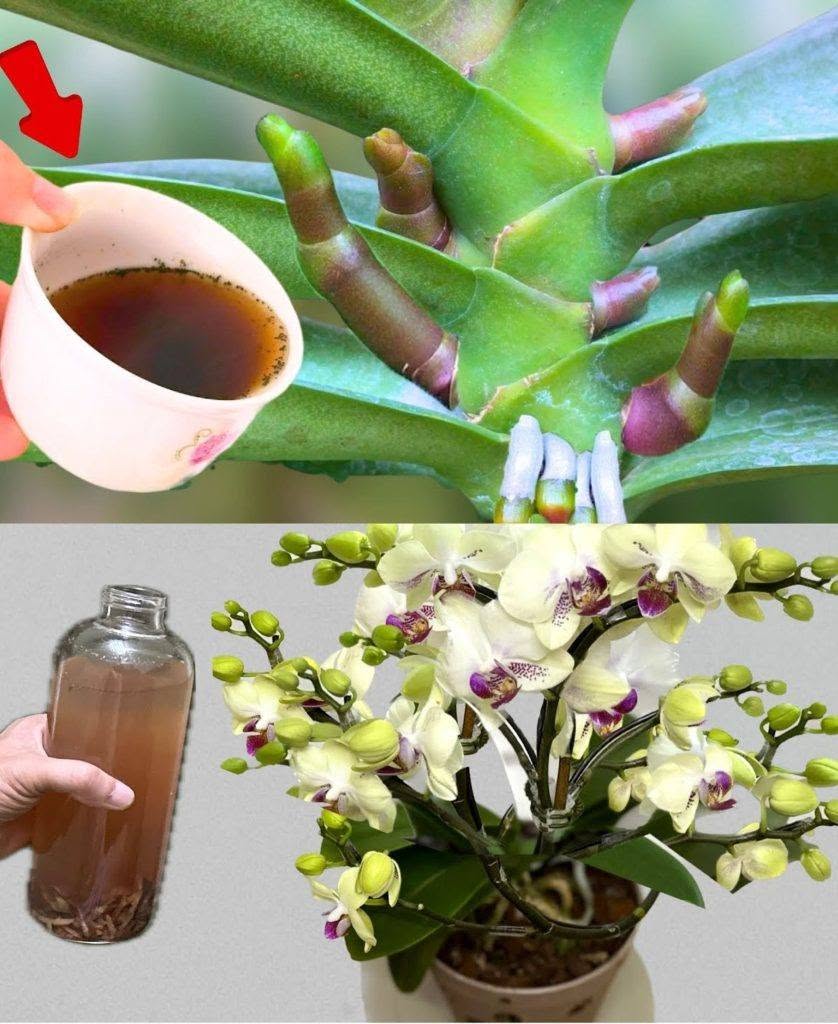
Orchids are among the most popular flowering houseplants, admired for their elegant blooms and long-lasting beauty. If your orchid has lots of leaves but few flowers, the issue is often related to care rather than the plant itself.
While many viral posts promise a miracle watering solution that will make an orchid “10 times more beautiful,” healthy growth depends on consistent care—not a single secret ingredient.
Why Orchids Produce Lots of Leaves but Few Flowers
An orchid may develop lush foliage without blooming if:
- It isn’t receiving enough light.
- Temperatures remain too warm at night.
- It receives too much nitrogen fertilizer.
- The roots are unhealthy or overcrowded.
- It has recently finished blooming and is in a resting phase.
Patience is often part of successful orchid care.
How to Encourage More Blooms
To help your orchid flower again:
- Place it in bright, indirect sunlight.
- Water only when the growing medium is nearly dry.
- Ensure the pot has excellent drainage.
- Feed with a balanced orchid fertilizer according to the label instructions.
- Provide slightly cooler nighttime temperatures if appropriate for your orchid species.
These conditions closely mimic the plant’s natural environment.
Avoid Overwatering
Overwatering is one of the most common reasons orchids struggle.
Signs of overwatering include:
- Yellow leaves
- Soft or black roots
- Mushy stems
- A musty smell from the potting mix
Healthy orchid roots are usually firm and green or silvery.
Should You Use Homemade Fertilizers?
Some gardeners use homemade mixtures made from items such as rice water or diluted banana peel extracts. While these may contain small amounts of nutrients, there is little scientific evidence that they dramatically improve orchid growth.
Commercial orchid fertilizers provide nutrients in balanced amounts and are generally the more reliable choice.
Simple Tips for a Thriving Orchid
For the best results:
- Use a potting mix designed specifically for orchids.
- Repot every two to three years or when the growing medium breaks down.
- Maintain moderate humidity.
- Ensure good air circulation around the plant.
- Remove faded flower spikes when appropriate for the orchid variety.
Consistent care usually produces healthier plants than quick-fix remedies.
Final Thoughts
There is no magical liquid that will instantly transform an orchid. The secret to abundant blooms lies in proper light, careful watering, healthy roots, and regular feeding with an appropriate fertilizer. With patience and consistent care, your orchid can reward you with beautiful flowers year after year.
