
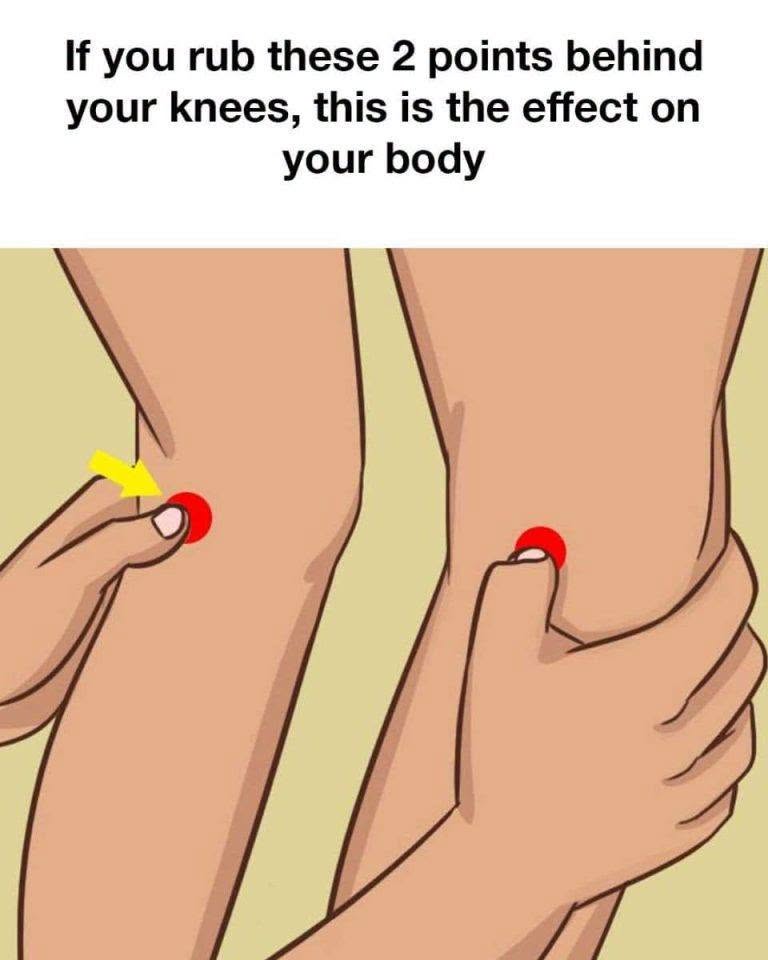
Traditional massage and acupressure techniques have been practiced for centuries to promote relaxation and relieve muscle tension. One area that often attracts attention is the hollow behind the knees, sometimes called the popliteal area.
You may have seen social media posts claiming that rubbing two specific points behind your knees can dramatically improve your health, detox your body, or cure various conditions. While gentle massage may provide temporary comfort, many of these claims are exaggerated and not supported by strong scientific evidence.
Here’s what is actually known.
Why the Area Behind the Knees?
The back of the knee contains:
- Muscles
- Tendons
- Blood vessels
- Nerves
- Lymphatic vessels
Because so many important structures pass through this area, it can sometimes feel tight after standing, exercising, or sitting for long periods.
A gentle massage may help relax nearby muscles and increase your awareness of tension.
Possible Benefits of Gentle Massage
Massaging behind the knees may help:
- Ease mild muscle tightness
- Promote relaxation
- Improve comfort after long periods of sitting
- Encourage temporary blood circulation in the surrounding muscles
- Reduce feelings of stiffness after exercise
- Support overall relaxation when combined with stretching
These effects are generally mild and temporary.
How to Massage the Area Safely
If you’d like to try it:
- Sit comfortably with your knees slightly bent.
- Locate the soft hollow behind each knee.
- Use your fingertips or thumbs to apply gentle pressure.
- Massage in slow circular motions for 30 to 60 seconds.
- Repeat on the other leg.
- Finish by gently stretching your calves and hamstrings.
Never press hard, as important blood vessels and nerves lie beneath the skin.
Can It Improve Circulation?
Gentle massage may temporarily increase blood flow to the surrounding muscles and tissues.
However, it does not replace regular physical activity, walking, or medical treatment for circulation disorders.
People with vascular disease should consult a healthcare professional before trying deep massage.
Does It Help Reduce Swelling?
Some massage techniques are used by trained therapists to encourage lymphatic drainage.
However, simply pressing behind the knees is unlikely to eliminate significant swelling.
Persistent swelling in the legs should always be evaluated by a healthcare provider.
Can It Relieve Leg Fatigue?
Many people report that gentle massage behind the knees feels soothing after:
- Long workdays
- Standing for hours
- Traveling
- Exercise
- Hiking
The relaxing sensation may help reduce the feeling of tired legs, especially when combined with stretching and hydration.
Myths About “Detoxing”
Some online articles claim that rubbing these points removes toxins from the body.
In reality, your body already has highly effective detoxification systems:
- The liver
- The kidneys
- The digestive system
- The lungs
Massage does not “flush toxins” from the body, although it may help you feel more relaxed.
When Should You Avoid Massage?
Do not massage behind the knee if you have:
- A suspected blood clot
- Severe swelling
- An injury
- An open wound
- An active skin infection
- Significant pain without a known cause
If you experience sudden swelling, redness, warmth, or severe calf pain, seek medical attention immediately, as these could be signs of a serious condition.
Other Ways to Keep Your Legs Healthy
Healthy habits often provide greater benefits than massage alone:
- Walk regularly.
- Stretch your legs daily.
- Stay hydrated.
- Maintain a healthy weight.
- Avoid sitting for long periods.
- Wear supportive footwear.
- Exercise consistently.
These habits help support circulation, flexibility, and overall leg health.
Final Thoughts
Massaging the points behind your knees can be a pleasant way to relax tight muscles and ease temporary stiffness after a long day. While many viral posts claim that this simple technique can detox the body or cure numerous health problems, there is little scientific evidence to support those claims. Gentle massage can certainly be part of a healthy self-care routine, but it should complement—not replace—regular exercise, healthy lifestyle habits, and professional medical care when needed.
