
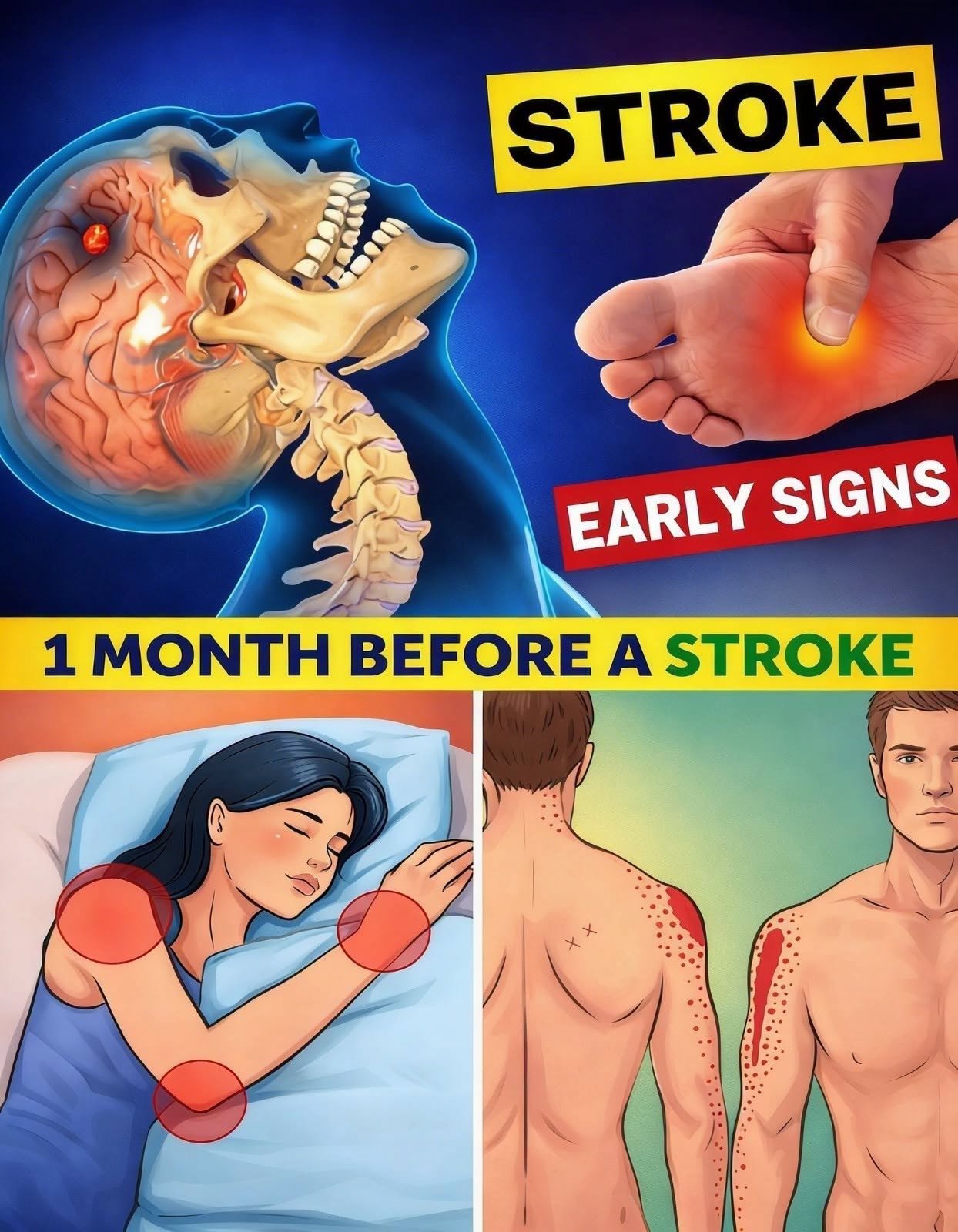
Remember the FAST Test
Health professionals recommend remembering FAST:
F — Face: Does one side droop?
A — Arms: Can both arms be raised equally?
S — Speech: Is speech slurred or strange?
T — Time: Call emergency services immediately.
Never wait to see if symptoms improve.
9 Ways to Help Reduce Stroke Risk
While no method can completely prevent stroke, healthy lifestyle habits can significantly reduce risk.
1. Control High Blood Pressure
High blood pressure is the biggest risk factor for stroke.
Check it regularly and follow your healthcare provider’s treatment plan.
2. Stay Physically Active
Aim for at least 150 minutes of moderate exercise each week, such as:
- Walking
- Cycling
- Swimming
- Dancing
3. Eat a Heart-Healthy Diet
Choose foods rich in:
- Fruits
- Vegetables
- Whole grains
- Beans
- Fish
- Nuts
Limit:
- Highly processed foods
- Excess sodium
- Sugary beverages
- Saturated fats
4. Quit Smoking
Smoking damages blood vessels and dramatically increases stroke risk.
Stopping smoking provides health benefits at any age.
5. Maintain a Healthy Weight
Carrying excess weight increases the likelihood of:
- High blood pressure
- Type 2 diabetes
- Heart disease
All of these raise stroke risk.
6. Manage Diabetes
Keeping blood sugar within your target range helps protect blood vessels throughout the body, including those supplying the brain.
7. Limit Alcohol
If you drink alcohol, do so in moderation.
Heavy drinking increases the risk of both ischemic and hemorrhagic stroke.
8. Get Enough Sleep
Adults should generally aim for 7–9 hours of quality sleep each night.
Poor sleep has been linked to higher rates of cardiovascular disease and stroke.
9. Take Prescribed Medications as Directed
If your healthcare provider prescribes medication for:
- High blood pressure
- High cholesterol
- Diabetes
- Atrial fibrillation
Take it exactly as directed unless advised otherwise.
When Should You Seek Emergency Care?
Call emergency services immediately if you or someone else suddenly experiences:
- Weakness or numbness on one side
- Difficulty speaking
- Facial drooping
- Vision loss
- Severe unexplained headache
- Loss of balance or coordination
- Sudden confusion
Even if symptoms disappear after a few minutes, medical evaluation is essential because a TIA may signal a much higher risk of a major stroke in the near future.
Final Thoughts
Stroke remains one of the leading causes of disability and death worldwide, but many cases are preventable. Recognizing warning signs early and acting quickly can save brain function—and even save a life.
At the same time, adopting healthy habits such as controlling blood pressure, staying active, eating a balanced diet, and avoiding tobacco can greatly reduce your overall risk. Small, consistent lifestyle changes today may have a lasting impact on your health tomorrow.
