
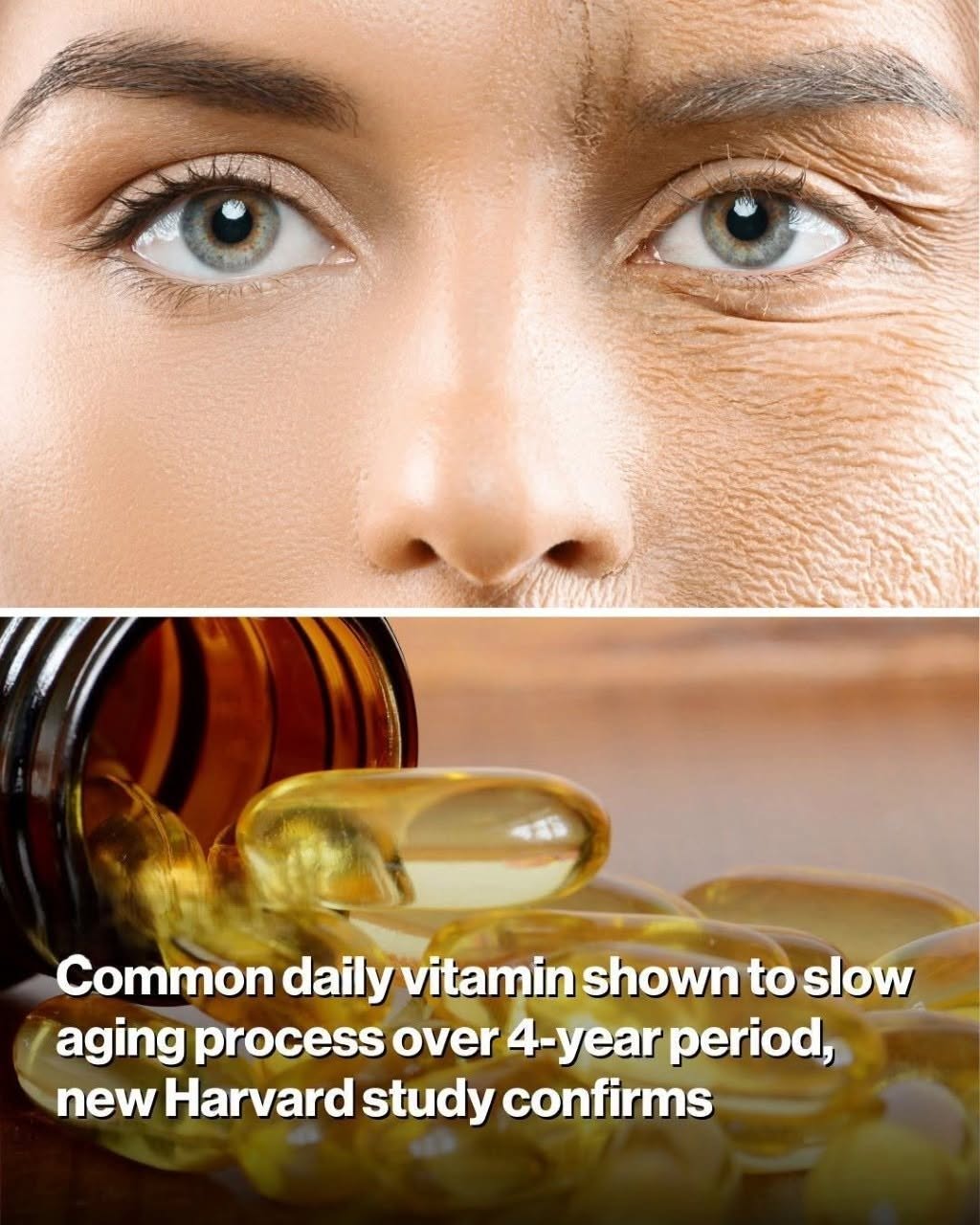
While the findings are promising, researchers emphasize that the study does not prove vitamin D prevents aging or extends lifespan.
Instead, it suggests that maintaining adequate vitamin D levels may help preserve one biological marker associated with healthy aging.
Much more research is needed before scientists can conclude that vitamin D slows the overall aging process.
Who Might Benefit From Vitamin D?
Vitamin D deficiency is relatively common, particularly among:
- Older adults
- People who spend little time outdoors
- Individuals with darker skin
- Those living in northern climates
- People with certain digestive disorders that reduce nutrient absorption
For people who are deficient, supplementation may provide important health benefits beyond bone health.
Can You Take Too Much Vitamin D?
Yes.
Although vitamin D is essential, excessive supplementation can be harmful.
Too much vitamin D may lead to:
- High calcium levels
- Kidney stones
- Kidney damage
- Nausea and vomiting
- Weakness
- Confusion
Because vitamin D is fat-soluble, excess amounts can build up in the body over time.
Always follow your healthcare provider’s recommendations or the dosage listed on the product label unless advised otherwise.
Natural Sources of Vitamin D
You can help maintain healthy vitamin D levels through:
Sunlight
Your skin naturally produces vitamin D when exposed to sunlight. The amount varies depending on the season, location, skin tone, and sunscreen use.
Foods Rich in Vitamin D
Good dietary sources include:
- Fatty fish such as salmon, tuna, and sardines
- Egg yolks
- Beef liver
- Fortified milk
- Fortified breakfast cereals
- Fortified plant-based milk alternatives
Supplements
Vitamin D supplements may be appropriate for people who cannot obtain enough through diet or sunlight, but they should ideally be taken under medical guidance.
Healthy Aging Requires More Than One Nutrient
No vitamin can replace healthy daily habits.
Research consistently shows that healthy aging is supported by:
- Regular physical activity
- A balanced diet rich in fruits and vegetables
- Adequate sleep
- Maintaining a healthy weight
- Managing chronic conditions
- Avoiding smoking
- Limiting excessive alcohol consumption
- Staying socially active
These lifestyle factors remain among the strongest predictors of long-term health.
